
Have you ever wondered if digital money could keep a steady value like a dollar? Stablecoins can help you feel secure because they are designed to hold this kind of value.
It’s pretty simple to buy them, almost like following a favorite recipe. You start with your cash, pick a trusted platform, and complete a quick ID check. Then you place your order and your tokens are secured.
In the end, buying stablecoins is both safe and easy. This means you can enjoy digital cash without worrying about crazy price swings.
Step-by-Step Guide to Buying Stablecoins
Stablecoins are a type of digital money that always holds the same value as the U.S. dollar. They’re designed to stay steady, so you can use them for everyday transactions without worrying about big price swings. Think of it as having digital cash that you know won’t suddenly lose its value.
Buying stablecoins is really simple. You use a method called a fiat ramp on a trusted cryptocurrency exchange to swap your regular dollars for digital coins. It’s like trading your paper money for a digital version in just a few clicks. Once you figure out which stablecoin suits your needs and understand any risks, the buying process is as easy as following a recipe.
- Pick a trusted exchange that lets you buy with regular money.
- Create an account and finish the required identity check.
- Add funds using your bank transfer or card.
- Choose the stablecoin you want, like USDT or USDC, and decide how much to buy.
- Place your order, either a market order for immediate buying or a limit order if you want to set a price.
- Move your tokens to your own wallet for extra security.
Following this guide makes the whole process both safe and easy to manage. By choosing a secure, well-regulated exchange and sticking to each step, from verifying your identity to storing your tokens properly, you cut down on the risk of any surprises. It’s much like following a trusted recipe where every ingredient counts in making something great. This clear approach not only keeps your digital assets secure but also gives you the confidence to make smart choices in the fast-moving world of digital currency.
Assessing Stablecoin Varieties Before Purchase

When you start looking at stablecoins, it helps to know that each one works in a slightly different way to keep its value steady and comes with its own set of risks. Picking the right one means matching your needs with a coin that feels safe for you.
| Type | Mechanism | Example Stablecoin |
|---|---|---|
| Fiat-Backed | Keeps cash reserves in USD or similar money | USDT, USDC |
| Crypto-Backed | Uses extra cryptocurrency as backup (overcollateralization means having more than needed) | DAI (by MakerDAO) |
| Algorithmic | Changes the number of coins automatically based on market demand | N/A |
Fiat-backed stablecoins work like a bank account where real money backs each token. Regular audits help show that there's enough cash in the mix, which can give you a sense of security. But remember, they might also come with one or two central control spots.
Crypto-backed coins, on the flip side, rely on extra collateral in the form of other cryptocurrencies. This means they tend to be more decentralized. However, they often need a higher safety buffer, sometimes 150% or more, which can affect how easily you can trade them.
Then there are algorithmic stablecoins, which tweak their supply according to set rules and market signals. They skip having a traditional reserve, but if those rules don’t react fast enough during sudden market swings, things can get a bit shaky.
In truth, weighing these pros and cons lets you decide which stablecoin matches your digital money needs best.
Selecting a Platform to Buy Stablecoins
When you want to change regular money, like U.S. dollars, into stablecoins, leading exchanges can help you do it quickly. Popular sites such as Coinbase or Kraken make it as simple as a few clicks, turning cash into digital tokens in no time.
Before you pick a platform, make sure to look at its audit reports, how much trading happens daily, and its regulatory licenses. For example, sites that offer USDC usually get regular checks on their reserves, while USDT is popular because it has a big market and lots of liquidity.
Some exchanges even mix stablecoin services with decentralized finance options. This means you might also find features for lending and yield farming. These tools make it easier for you to use your digital assets, all while keeping the process straightforward and clear.
Account Setup for Stablecoin Purchases

When you start setting up your account, you have two easy ways to sign up: either use the website or download the mobile app. The website gives you a detailed view with all the options laid out clearly, while the app is perfect when you're out and about. Some platforms even blend wallet and exchange features into one simple package, so you can pick the option that fits your lifestyle best, whether you're at your desk or on the move.
After you register, you'll have to complete a verification process, known as KYC. This just means you'll need to share a form of ID and proof of where you live to confirm your identity. In addition, many platforms ask you to turn on two-factor authentication to add an extra layer of security. This extra step helps keep your account safe while you start buying and managing your stablecoins.
Funding Your Account to Buy Stablecoins
When you're ready to add money to your exchange wallet, there are a few simple ways to do it. You can opt for a bank transfer, use a debit or credit card, or even pay with PayPal if your exchange allows it. Bank transfers work well when you have a larger amount, while cards or PayPal are great for quick, smaller deposits.
The time it takes for your funds to settle and the deposit limits vary by method and platform. A bank transfer might clear in a couple of days, whereas cards and PayPal usually settle much faster. Some exchanges also have daily or monthly limits, so it’s a good idea to check these details before you buy.
It also pays to look for ways to cut deposit fees. Different platforms may charge different fees for each method. For example, some have lower fees for bank transfers, while others might offer special deals for card or PayPal deposits. Being aware of these options can help you save money and make your transition from USD to stablecoins much smoother.
Executing Stablecoin Purchases and Fee Overview
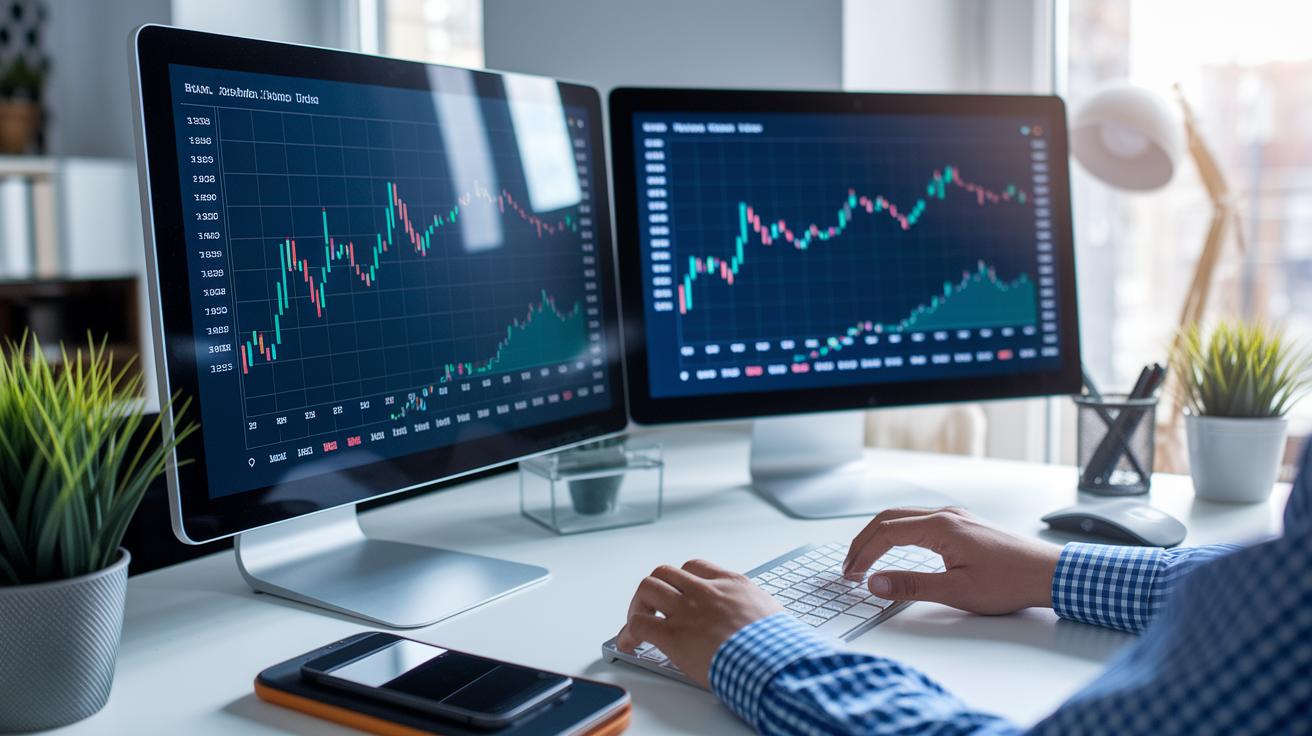
When you decide to buy stablecoins, you really have two straightforward options. One way is to use a market order, which lets you grab your tokens instantly, kind of like clicking “buy now” on your favorite online store. The other option is a limit order. With a limit order, you can choose the exact price you want, similar to waiting for your favorite snack to go on sale.
Fees usually range between 0.1% and 0.25% per trade, although sometimes you might stumble upon a promo that offers commission-free stablecoin purchases. It’s important to keep an eye on these fees because they can add up over time. Look out for any fee-free deals on your trading platform to help you save extra money.
Before you hit confirm on your trade, take a moment to review the fee schedule and double-check the order details. Doing this ensures you know exactly what costs you might encounter ahead of time, keeping your trading experience smooth and secure while you focus on growing your stablecoin stash.
Secure Storage Options After Buying Stablecoins
Keeping your stablecoins in your personal wallet puts you in complete control of your digital money. Instead of leaving your funds on an exchange where you rely on their security, you handle the protection yourself, just like storing prized items in your own safe rather than a shared locker. This hands-on approach means your tokens are less likely to be affected by technical glitches or issues at big, centralized platforms.
Apps like Trust Wallet work great on mobile and desktop, making it easy to manage your stablecoins anywhere. Trust Wallet is a favorite because it supports over 10 million assets across more than 100 blockchains and even offers handy features like token swaps, staking (earning rewards by holding tokens), a DApp browser, and a security scanner. Whether you’re at home or on the go, you can quickly check your balances and make transactions without any fuss.
Then there are hardware wallets, which act as a secure offline vault for your stablecoins. They keep your private keys in an isolated space away from the internet, lowering the risk of online attacks. Using a hardware wallet is like adding another reliable lock on your digital safe. Just make sure to back up your recovery phrase and store it safely offline for the long haul.
Risk Management and Regulatory Considerations for Buying Stablecoins
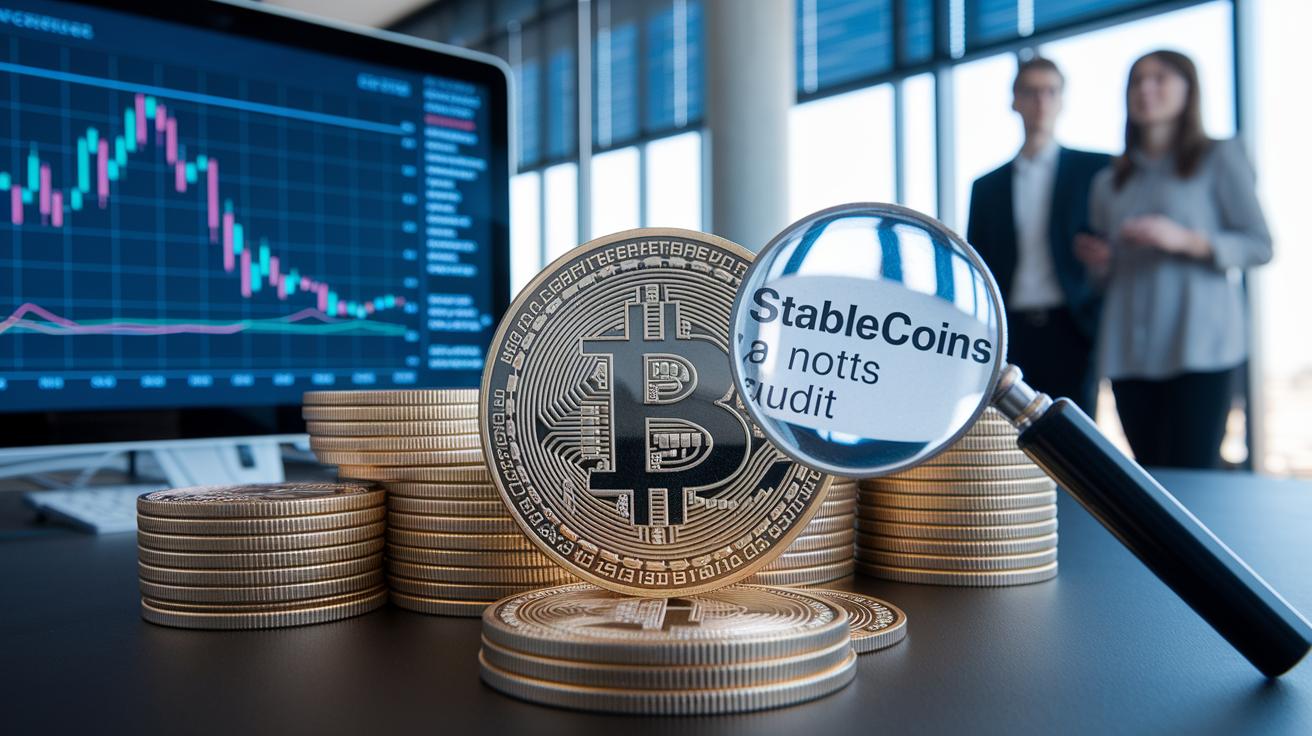
The SEC and the CFTC keep a close eye on stablecoins to make sure they play by the rules meant for things like stocks and commodities. They regularly check that the systems backing these coins follow our standards, which not only protects investors but also builds trust in digital currencies linked to regular money.
Stablecoins that peg their value to the U.S. dollar or similar currencies can come with a few risks because they’re often controlled by a single group. This means your funds might be frozen if the issuer runs into legal trouble or if regulators decide to step in. That’s why reserve audits, which basically verify that there’s enough money backing the tokens, are so important. These regular checks and reporting requirements add a layer of accountability, but investors should still keep an eye out for any red flags.
When it comes to picking a platform to buy stablecoins, look for one that has strong compliance programs and clear backing from regulatory bodies. Platforms that are open about their processes, perform regular audits, and stick to U.S. standards tend to offer better security and risk management. By paying attention to these details, you can feel more confident that your stablecoin investments are on solid legal ground.
Final Words
In the action, we walked through the basics of stablecoins, clarifying the buying process and its important steps. We covered everything from selecting a secure platform and setting up your account to funding it, executing your purchase, and choosing safe storage options. We also looked at different stablecoin types and covered risk management and regulatory matters.
This guide offers a clear picture of how to buy stablecoins while keeping safety and ease in mind. Step forward with confidence and use these insights to shape your smart investment decisions.
FAQ
How can I buy stablecoins online, including using Trust Wallet, Binance, or Robinhood?
The question of buying stablecoins online is answered by registering on a trusted exchange or app offering fiat ramps, completing KYC, depositing USD, placing an order, and transferring tokens to a secure wallet.
Which is the best stablecoin to buy?
The choice of the best stablecoin depends on your needs. USDC is known for its transparent reserves while USDT offers high liquidity; evaluate factors like transparency, liquidity, and risk tolerance to decide.
What are the 4 types of stablecoins?
The four popular stablecoin types include fiat-backed (USDC, USDT), crypto-backed (like DAI), algorithmic, and commodity-backed (such as PAXG). Each type offers unique risk and stability features for different investor needs.
Is stablecoin a good investment?
The question of stablecoins being a good investment is answered by noting they serve as low-volatility assets rather than high-growth investments, making them useful for transactions and portfolio stability.
What stablecoins are commonly available?
The question regarding a stablecoin list is answered by noting well-known options like USDT, USDC, DAI, and PAXG, which provide varied liquidity, transparency, and asset backing for different financial goals.