
Ever thought that gold could be more than just a safe bet? With record highs and bold moves from central banks, gold is stepping out of the shadows and becoming an active part of many portfolios.
Picture gold as that little spark of hope amid a room full of uncertain investments. Recent price jumps and a rise in ETF trading, ETFs are funds that hold a mix of assets like stocks, suggest that more people are shifting from simply saving to trying to earn smart returns.
In this article, we dive into three trends that show gold is changing its old role entirely. This fresh outlook might just inspire you to rethink how you invest your money.
Current Dynamics in Gold Investment Trends
Gold prices reached an all-time high of $4,398 per ounce in 2025, which is nearly a 30% increase compared to last year. By mid-September, gains had hit almost 42%, a huge jump compared to the usual annual returns of 4% to 6%. This rapid leap shows how gold is shifting from a traditional safe haven to a more active asset.
Central banks have been a big part of this story. In 2024, they bought over 1,000 tonnes of gold, the highest amount since the early 1970s. Before becoming the reliable store of value it is today, central banks turned to gold as a sort of insurance policy when times got tough. Their steady purchases highlight how much trust is placed in gold during economic downturns.
Gold ETFs also saw a boost. Their assets under management jumped 41% to reach $383 billion in the first half of 2025. In addition, ETF holdings grew by another 397 tonnes, totaling 3,616 tonnes. At the same time, non-commercial COMEX long positions hit record levels in 2024, and combined holdings, including bars, coins, ETFs, and futures, rose by 3% year-over-year to 49,400 tonnes. This growing trend points to increased activity in both speculation and hedging.
In the Asia-Pacific region, especially in China and India, over 60% of the global demand for gold bars and coins comes from physical consumption. This strong regional appetite solidifies gold’s role as a key store of value in an ever-changing investment world.
Historical Performance Records and Gold’s Safe-Haven Role
Did you know that long before gold earned its reputation as a safe haven, it was already outdoing U.S. stocks and bonds for many years? Between 2000 and 2025, gold consistently beat major investments like the S&P 500 and the Bloomberg Barclays U.S. Aggregate Bond Index. This shows that including gold in your portfolio can help lower risk and spread out investments, especially when the market gets tough.
Usually, gold returns about 4% to 6% each year. But in 2024, it surprised everyone by jumping 27% in one year and reaching an overall gain of 83% since the year began. That year even saw gold prices cross the $3,000-per-ounce threshold. Imagine looking at your portfolio after a rough patch and noticing that your gold investments soared while other areas lagged behind.
For over 50 years, gold has been a trusted safe spot during financial stress and when inflation rises. People have come to rely on its steady performance when the economy wobbles. This strong track record reassures investors, making gold a key part of many balanced portfolios during uncertain times.
Macroeconomic and Geopolitical Factors Shaping Gold Investment Trends
When interest rates are low, holding gold costs less and becomes a friendlier option for investors. Low rates lower the penalty for not earning interest, so gold keeps its shine. On the flip side, when rates rise, the stronger dollar can push gold prices down.
Inflation also nudges people toward gold. As prices rise, both central banks and everyday investors often treat gold like a trusty umbrella in a rainstorm. Imagine a small business owner who shifts some savings into gold when everyday costs start to climb.
Geopolitical events, like trade disputes or regional conflicts, can spark quick moves into gold. These moments remind investors that gold often serves as a safe harbor during uncertain times, kind of like finding shelter during an unexpected downpour.
Economic data and key indicators guide decisions about gold holdings. These signals mix together so that gold not only acts as a shield but also plays a practical role in a balanced investment plan, helping protect portfolios when the market feels unpredictable.
3 Gold Investment Trends Shine Bright
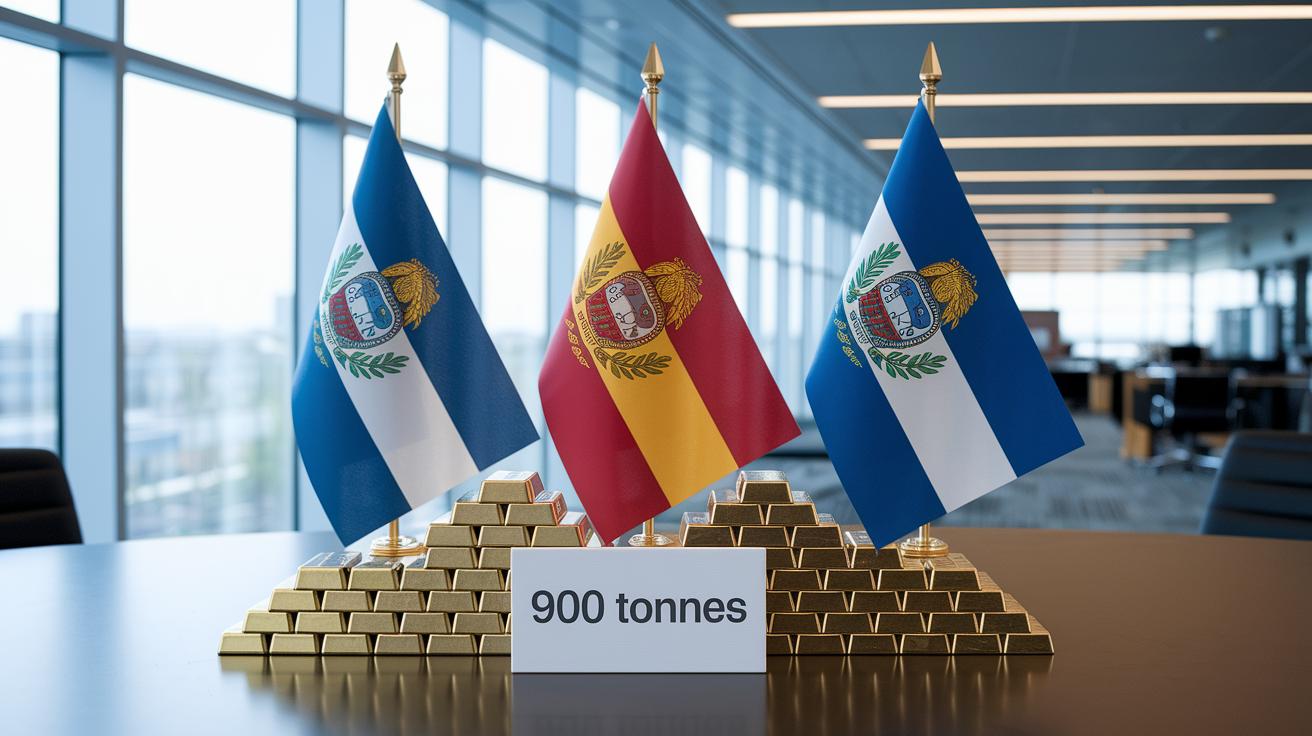
Central banks are planning a big change. They could add about 900 tonnes of gold each in 2025 and 2026. This new outlook cuts through old trends and gives us a clear look at the market’s future.
Here's an interesting point: In early 2025, imagine each central bank picking up 900 tonnes of gold. That number is nearly the same as their usual yearly total, which shows they’re rethinking their strategy in these uncertain times.
- They might add around 900 tonnes each in 2025 and 2026.
- This move shows a more cautious approach in changing market conditions.
- New forecasts hint at shifts in the balance of gold supply and demand.
These fresh insights shine a light on emerging market trends without revisiting older details like ETF growth or COMEX positions.
Regional Performance Variations and Supply–Demand Metric Evaluation
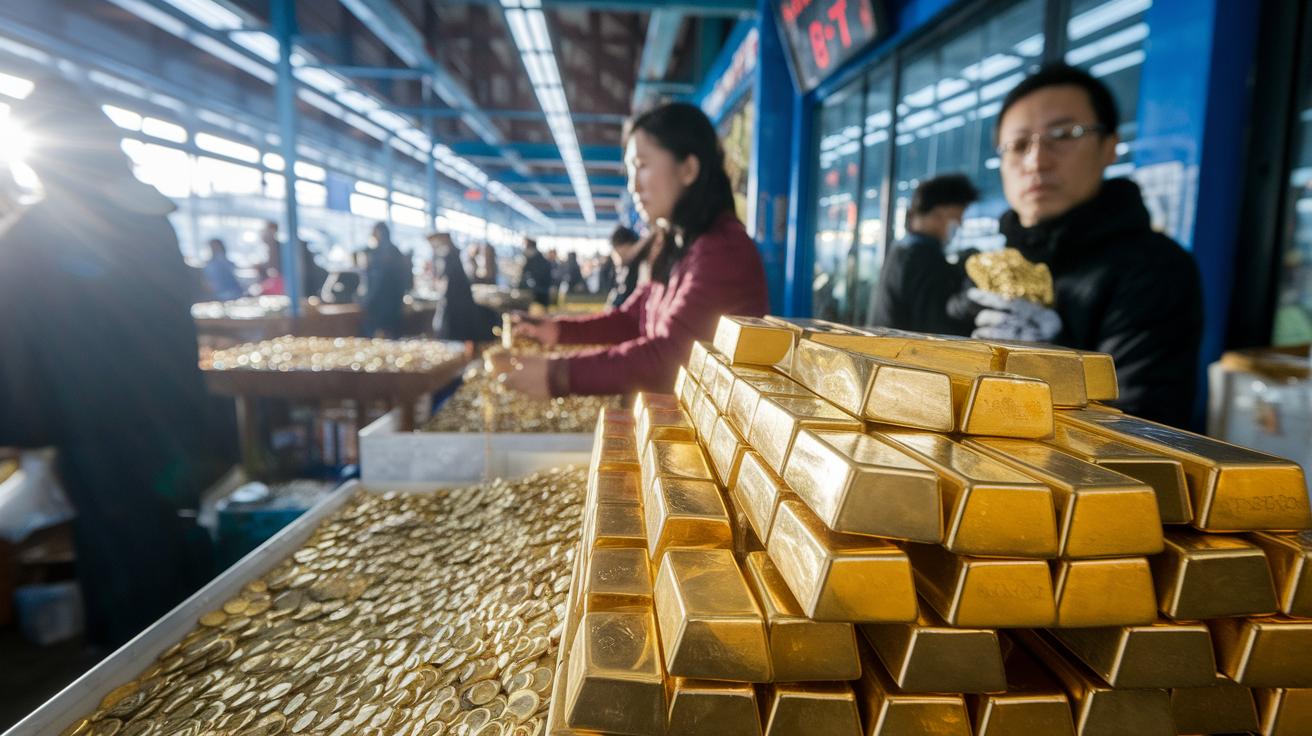
In the Asia-Pacific region, gold consumption is driven by strong local traditions. Countries like China and India make up over 60% of the world's demand for physical gold bars and coins. Cultural events such as Diwali and other local celebrations spark extra buying, showing how much people value gold as an investment.
In Japan, low bond returns and changes in the yen have pushed investors to explore gold ETFs. This shift suggests that many are looking for alternatives when traditional investments offer lower gains.
Even though jewelry remains popular in Asia, more buyers are turning to investment-grade coins and bars instead of just ornamental pieces. This change indicates a move towards more secure and practical ways to use gold.
About 28% of the world's gold comes from recycled sources. This steady stream of recycled gold helps balance the supply from new mining, and experts expect these levels to remain steady until 2025.
Key takeaways:
- Asia-Pacific cultural trends drive over 60% of global gold demand.
- Japanese investors are increasingly interested in gold ETFs due to low bond yields.
- A clear shift is seen from buying jewelry to choosing investment-grade gold.
All these trends and steady recycling practices help maintain a balanced global gold market, a balance that investors watch closely.
Technical Chart Evaluation and Future Price Prediction Models

In 2025, gold’s chart tells a really interesting story. The price starts at $2,900 in February, goes up to $3,500 in April, then reaches $3,700 in September before peaking near $3,800 per ounce. Think of it like watching a roller coaster ride; there are quick climbs and then periods where the price holds steady. Many analysts believe that in the second half of 2025, gold could see small gains between 0 and 5 percent if the market stays calm. On the other hand, if unexpected economic changes occur, the price might jump by 10 to 15 percent, which would change things significantly.
Looking a bit further, experts expect that by 2028 the price of gold could be in the $5,000 to $6,000 per ounce range. This idea comes from the view that gold supplies are tight and demand remains strong as global investors and central banks continue to buy more gold. Projections from 2026 to 2030 stress that gold can be a safe haven, sort of like having a reliable umbrella ready when the market weather turns rough.
| Period | Forecast Range | Basis |
|---|---|---|
| H2 2025 | 0–5% above current levels or 10–15% in tougher scenarios |
Calm market vs. unexpected shocks |
| 2026–2028 | $5,000–$6,000 per ounce | Limited supply and steady demand |
| 2029–2030 | Strong safe haven performance | Shift in dollar reserve and growing reserves |
Asset Allocation Strategies and Wealth Preservation Tactics with Gold

Gold is often seen as a safe spot when markets get bumpy. It rarely moves the same way as stocks, so adding a bit of gold, around 5-10%, can help smooth out the ups and downs of your investments. Experts say this small slice can cut down on risk, especially when market conditions worsen. And with global tensions and central banks stacking up reserves, gold stands out as a reliable tool for protecting your wealth.
There are a few simple ways to let gold work its magic. First, think about rebalancing your investments regularly. This means adjusting your mix as market situations shift, much like tuning a musical instrument to keep it in harmony. You can use gold ETFs or even buy gold bullion for quick and easy trades. And sometimes, mixing gold with a couple of other precious metals can make your portfolio even sturdier when times get tough.
- Keep a steady 5–10% gold allocation
- Trade using gold ETFs or bullion for ease
- Rebalance your allocations on a quarterly basis
- Mix gold with select other top metals
- Shift assets quickly when safety signals appear
Final Words
In the action, we explored recent market moves, historical performance, and technical forecasts that drive gold investment trends. We broke down how institutional buying, global pressures, and strategic asset allocations shape today’s opportunities.
By keeping a clear view of shifting prices and risk-management tactics, investors can feel more confident in their portfolios. The discussion brought together key market insights with real-world actions, making complex trends feel attainable. The outlook remains upbeat as gold continues to offer potential benefits for balanced, informed financial strategies.