

Ever wonder if you might be paying too much on your crypto rides? Gas fees work a bit like tolls, they charge you a little bit every time you use network power, just like paying a fair fare for a taxi ride. These fees are what keep the whole system humming along nicely. Today, we’re diving into how getting a grip on gas fees can make your transactions run smoother and help save you money. Have you ever thought about how a smart approach to these fees might change the way you use crypto every day?
Crypto Gas Fees Explained: Definition and Mechanics
Gas fees, also known as network fees, are what you pay to carry out transactions or run smart contracts on a blockchain. On Ethereum, these fees are paid in Ether. They’re measured in gas units, and the price for each unit is shown in Gwei (where 1 Gwei equals 0.000000001 ETH). Think of it like paying for a ride in a taxi, the gas fee is the fare you pay for using a piece of the network’s computing power.
This fee system makes sure each task has enough computer power while stopping the network from getting too crowded. For example, sending a simple ETH transfer uses way fewer gas units than making a complex transaction with several smart contract calls.
When you send a transaction, you can pick the gas price based on how fast you want it to go through. During busy times, like when a popular decentralized app is running, more people are willing to pay extra to get their transactions processed quickly. Here’s a fun fact: Before decentralized apps became common, blockchain networks often processed just a few transactions each day. Now, they handle thousands, which sometimes makes fees rise noticeably.
Wallets such as MetaMask and Coinbase Wallet help by suggesting good gas prices and limits. This feature means you’re less likely to experience delays or waste money on fees. Miners get these fees as a reward for doing the hard work, and the fees also help keep the network free from spam.
In the end, knowing how gas fees work can help you understand and manage your spending when using blockchain networks. It's a handy guide to knowing why fees change with the complexity of your transaction and the overall network traffic.
Calculating Gas Fees on the Ethereum Network

Calculating a fee on Ethereum is pretty straightforward. You just multiply your gas limit by the gas price. Think of the gas limit as the maximum amount of work a transaction can do, like a spending cap. If you choose a low limit, the transaction may not finish, and you could lose your fee. If you set it too high, you might pay for work you never end up using.
Gas price changes with how busy the network is. When lots of people are trading, you may need to bid a bit higher to have your transaction processed quickly. Wallets such as MetaMask and Coinbase Wallet make things easier by automatically estimating a fair price. A recent update called EIP-1559 also changed things by adding a base fee (a set cost removed from circulation) along with a tip to encourage miners, which makes fees a bit more predictable.
The formula is really simple: Gas Fee = Gas Limit × Gas Price.
Factors Affecting Crypto Gas Fees
Network traffic really drives the cost of your crypto transactions. When events like NFT drops or DeFi launches happen, the network gets crowded. In these busy times, people often pay more to speed up their transactions. Think of it like trying to snag concert tickets for a sold-out show, the rush pushes prices way up. In the crypto world, high demand means higher fees.
The type of transaction matters too. A simple ETH transfer uses only a little gas, but things get pricier when you do transactions involving multiple smart contract calls or lots of data storage. If you don’t set the right gas limit, you might see a failed transaction or spend extra cash. It’s like when you’re painting a room, if you buy too little paint, you’ll have to stop halfway, but if you buy too much, you end up overpaying.
Then there’s the issue of price swings. During busy periods, gas fees can change very quickly, so many users keep an eye on low, average, and high fee benchmarks to time their transactions just right. Keeping a close watch on market conditions and setting the right gas limit is key to managing your costs effectively.
Comparing Gas Fees: Ethereum Versus Alternative Chains

Ethereum grabbed attention during the 2021 bull market when its average gas prices climbed above 200 Gwei. This meant even a small transaction could cost a lot, leaving many users nervous when the network got crowded. In simple terms, high fees come from so many people competing to use limited network space, especially when smart contracts and detailed data storage are in action.
Alternative blockchains like Solana, Polygon, Binance Smart Chain, and Avalanche show a different side of the story. They use fast processing and smart methods to keep costs low. For example, a transaction on Binance Smart Chain might only cost a tiny fraction compared to Ethereum, even when things get busy. This lighter fee structure makes these chains a great choice for those who often make small moves and want to save money.
Layer 2 solutions such as Optimism, Arbitrum, and Base help ease Ethereum’s fee problems too. They handle transactions off the main network before settling them on Ethereum, which cuts down on congestion and keeps fees lower. This means quicker transactions and less of the fee spikes during busy times.
Strategies for Reducing Crypto Gas Fees
If you’re looking to cut down on crypto gas fees, there are some really simple tricks you can try. One easy way is to time your trades when the network isn’t as busy, think late nights or weekends. When fewer people are making transactions, the fees usually drop. And then there’s the option of using layer 2 networks. These networks bundle several transactions together off the main blockchain, much like running several errands in one go to save on fuel.
Let’s break down six handy strategies to save on fees:
- Execute transactions during off-peak hours. When fewer users are online, there’s less demand, which usually means lower fees.
- Utilize layer 2 solutions like Optimism and Arbitrum. These networks group multiple transactions together, helping to cut costs.
- Consider alternative layer 1 chains. Platforms like Solana and Binance Smart Chain can handle lots of transactions at a lower cost.
- Batch multiple operations. By grouping several transactions into one, you lower the gas needed for each individual deal.
- Deploy gas-efficient smart contracts. Well-designed contracts use less computing power, which translates to lower gas fees.
- Take advantage of wallet fee presets. Many wallets now suggest gas limits and prices, so you avoid paying more than you need to.
Using these tips, you can keep more of your money while still enjoying fast and secure transactions on the blockchain. It’s all about managing your expenses smartly so that every transaction you make is as efficient as possible.
Tools for Tracking and Estimating Crypto Gas Fees
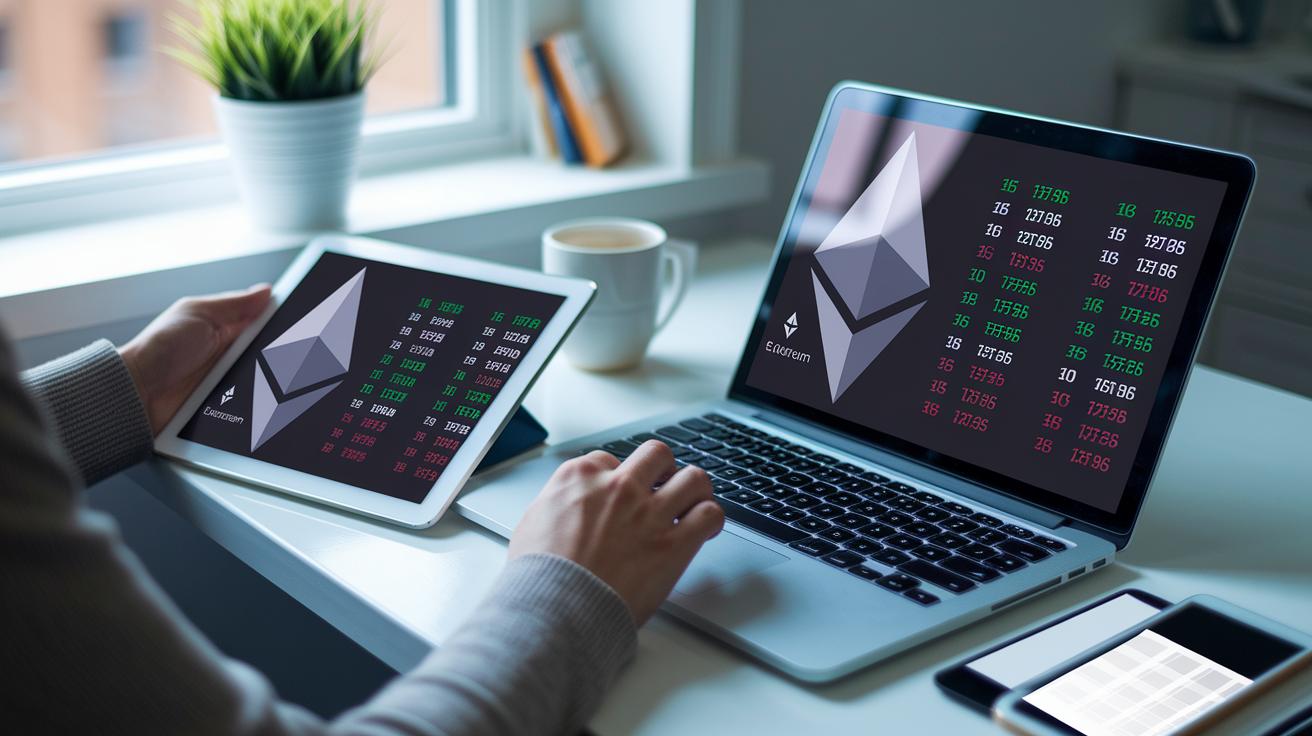
Tracking how much you pay for transactions is a bit like checking a live sports score. Etherscan’s Gas Tracker gives you a quick view of low, average, and high gas prices, letting you see what’s happening on the Ethereum network in real time. MetaMask makes things easier by automatically suggesting gas prices and limits that change with network conditions, kind of like a smart thermostat that adjusts to keep your home just right. And Coinbase Wallet helps out, too, by giving you an estimate right when you set up your transaction so you can avoid any surprise fee jumps.
There are also third-party dashboards that spice up the experience with visual charts showing how transaction costs match up with network activity. One user even mentioned that using these tools feels like having a car’s dashboard to guide you around high fees. All these apps and dashboards are handy helpers, letting you plan your transactions better and potentially save money by picking the best time to move on your trades.
Final Words
In the action, we broke down gas fees crypto and how they work, from simple definitions to the fee formula on Ethereum. We covered what drives these fees and compared them with alternative chains. We also shared practical strategies and introduced useful tracking tools. The post gives a straightforward view to help anyone make smart moves in the world of blockchain fees. Stay curious, keep learning, and enjoy the benefits of well-informed investment decisions.
FAQ
What are crypto gas fees?
Crypto gas fees represent the transaction cost required to process and record operations on a blockchain. They are paid to network participants to cover the computing power needed for secure operations.
How do Ethereum gas fee calculators work?
Ethereum gas fee calculators estimate fee costs by multiplying the gas limit by the gas price, plus considering the base fee introduced in EIP-1559. They help users choose settings that balance speed and cost.
What does a crypto gas fees chart display?
A crypto gas fees chart displays real-time fee trends and variations. It helps users see peak transaction times and make informed decisions on when to process transactions for lower costs.
How do gas fees affect crypto prices?
Gas fees add an extra cost to transactions, influencing the overall expense for transferring or trading crypto. They can indirectly affect investor behavior and market activity.
Who receives the gas fees in crypto transactions?
Gas fees are collected by miners or validators who secure the network by processing transactions. Their compensation supports the continuous maintenance and security of the blockchain.
Why do crypto gas fees become so high?
Crypto gas fees spike when network traffic increases or if the transaction is complex. Users sometimes offer higher fees during busy times to gain faster processing and avoid delays.
Which crypto tends to have the lowest gas fees?
Lower gas fees are typically seen on networks like Solana or Binance Smart Chain. These blockchains offer high throughput, which helps keep their transaction costs lower during heavy usage.
Is a gas fee necessary for transactions?
A gas fee is necessary because it incentivizes network participants to process and confirm transactions. Without a fee, transactions would be delayed or potentially not processed at all.
What differentiates Bitcoin fees from gas fees?
Bitcoin transactions use miner fees based on data size in a transaction rather than gas units. Though calculated differently, both fee types serve to compensate those securing the network.