

Ever wonder if green funds can be a real money-maker? New data shows a big shift in the world of finance. From 2005 to 2020, ESG investments (that means putting money into companies that handle environmental, social, and governance issues) jumped by 456%. What was once a small idea has grown into a powerful force in global markets.
Investors are now finding that taking care of our planet can also mean earning smart profits. Technology is helping to track these changes, showing that sustainable choices can be ethical and profitable. Read on to see how this green surge is reshaping the flow of money around the world.
ESG Investment Trends: Data-Driven Global Growth Analysis
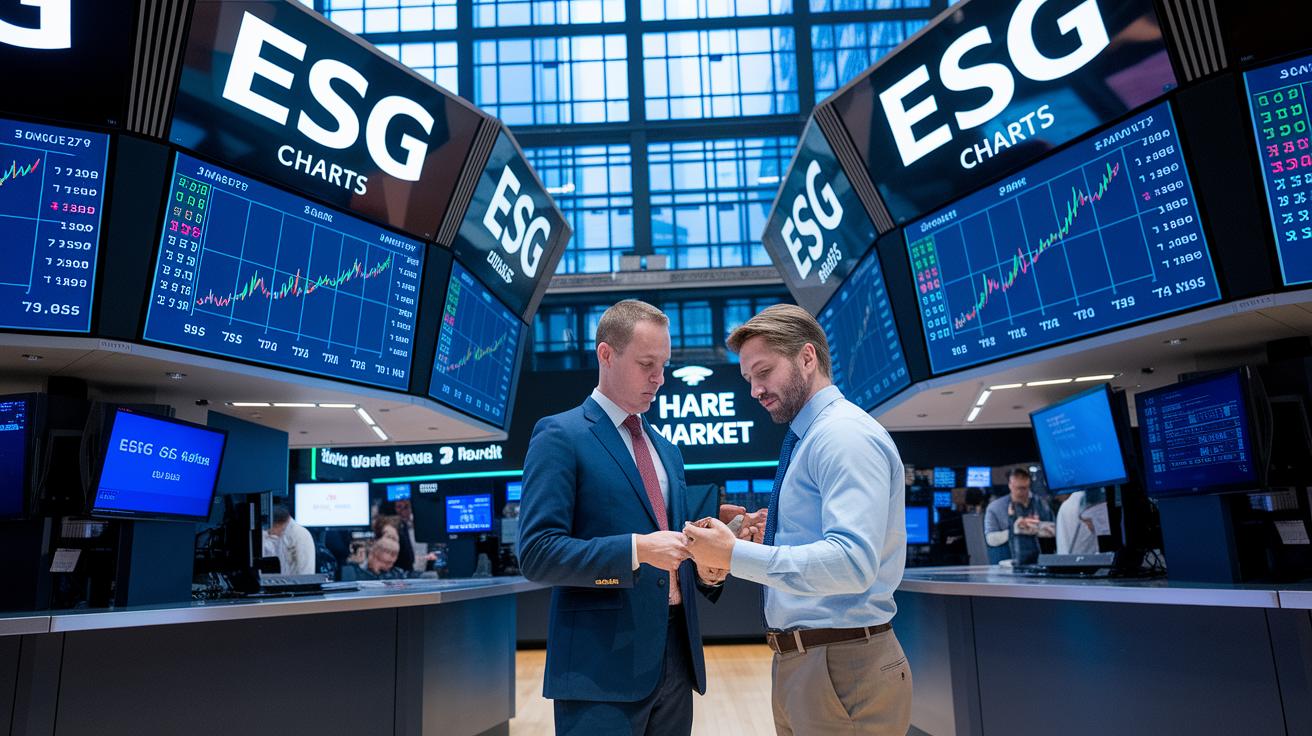
ESG investment trends are lighting up the financial scene with numbers that speak volumes about a big shift in how the market works. Sustainable investing used to be a small, niche idea, but now it’s a real powerhouse in global finance. Here’s a surprising fact: ESG investments jumped 456% between 2005 and 2020. This shows just how quickly green practices have become part of everyday investing.
It’s hard for portfolio managers to ignore these impressive figures. There’s been a strong flow of money into sustainable funds, and even smart tools like artificial intelligence (AI, which means using computers to make decisions) are now helping track these moves. The numbers tell us that investors are growing more confident in green business ventures and that the tools they use are getting a high-tech upgrade.
Some quick stats:
- ESG investments grew by 456% from 2005 to 2020.
- Sustainable fund assets reached about $2.5 trillion in 2023.
- A report noted that $35.3 trillion has shifted to green businesses.
- AI integration is expected to boost ESG assets even more in the coming years.
These facts paint a clear picture: the market is driven by both ethical choices and solid financial returns. For many portfolio managers, this means it’s smart to blend market trends with sustainable strategies. In truth, adding ESG factors to a portfolio can help lower risk while tapping into new growth opportunities. Ultimately, this trend is reshaping financial strategies and meeting the evolving expectations of investors who care about both returns and the planet.
Regulatory Evolution in ESG Investment Trends

Global changes in rules are changing the way businesses share information about how they care for our environment, people, and their own company practices. In the UK, new rules called the Sustainability Disclosure Requirements started in April 2022. They make companies share clear information about how climate issues affect their money matters. Over in the EU, a big change happened in January 2023. They swapped out the old Non-Financial Reporting Directive for the Corporate Sustainability Reporting Directive, which now covers about 50,000 companies and about 75% of the EU’s total sales. Across the ocean in the US, things are moving too. The SEC has been working on proposals for ESG rules, with updates coming in December 2024. Also, the EU rolled out the Sustainable Finance Disclosure Regulation. This rule sets up a three-part system for funds to help stop greenwashing by making fund details more clear and honest.
| Region | Regulation | Effective Date | Scope |
|---|---|---|---|
| UK | Sustainability Disclosure Requirements | April 2022 | Climate-related financial disclosures |
| EU | Corporate Sustainability Reporting Directive | January 2023 | About 50,000 companies; 75% of turnover |
| US | SEC ESG Disclosure Proposals | December 2024 | Federal level ESG rules |
| EU | Sustainable Finance Disclosure Regulation | Introduced alongside the CSR Directive | Three-tier fund classification to fight greenwashing |
For businesses trying to meet these new rules, it means building reporting tools that are both flexible and strong. Companies are now putting more money into better data systems to keep track of the numbers behind ESG topics. With so many areas putting strict rules in place, businesses are working hard to match all these different demands. In short, updating how they report on ESG not only cuts down risks but also boosts their reputation in the fast-moving world of sustainable finance.
ESG Criteria and Performance Metrics in Investment Trends
Investors now enjoy a clearer view of a company's sustainability. Companies have moved away from using optional, varied measures and are sticking to common ESG benchmarks. This change helps investors easily compare risks like a company’s climate impact or the way it handles governance. Research shows that companies scoring high in ESG usually do well over time, a fact that has made these metrics a key part of many investment strategies.
Global frameworks such as GRI, SASB, and the EU Taxonomy are aligning different methods into a single, unified approach. These standards mean companies report their data in a consistent way. As a result, investors can compare firms more easily, getting a better look at how each one manages its environmental and social duties.
Technology is a big help here too. Modern tools like Greenly track various emissions, Scope 1, Scope 2, and Scope 3 (which refer to direct, indirect, and other relevant emissions). They also create easy-to-read sustainability reports, so companies can quickly spot areas that need improvement.
| Performance Indicator | Simple Explanation |
|---|---|
| Carbon footprint | Total emissions produced by a company |
| Board diversity | Mix of different backgrounds in leadership |
| Supply-chain risk | Potential issues that may disrupt the production process |
| Energy efficiency | How well energy is used within the company |
| Community engagement | Efforts made to support and interact with local communities |
These simple yet key metrics let investors see how sustainable a company really is. This helps them make smart choices that combine solid financial growth with a positive impact on society.
Case Studies Highlighting ESG Investment Trends

Corporate ESG Transformation
Imagine a Fortune 500 company that decided to take a big leap toward a greener future. They set strong net-zero goals while completely rethinking how they invest. They shifted a huge chunk of their funds into renewable energy projects and efficiency upgrades. In simple terms, they wanted to lower carbon emissions and support eco-friendly practices. It’s a bit like swapping out an old gasoline engine for a modern electric one.
They didn’t stop there. The company also took a hard look at its supply chains and everyday operations, weighing traditional options against greener ones. By investing in cutting-edge clean-energy technologies, they made sure that going green went hand in hand with solid financial returns. In doing so, they showed us how major players can influence the market by committing to a greener future.
Landmark Green Bond Issuance
Consider a groundbreaking green bond that set a new standard in sustainable finance. This bond had clear, straightforward terms and came from a respected issuer, making it easy for people to see exactly how it would help fund renewable infrastructure and projects that protect natural resources. The conditions were all about transparency and measurable progress on climate goals, which gave investors a clear picture of what they were supporting.
This bond, issued in 2023, rallied a substantial amount of capital and paved the way for future sustainable financial deals. Its design included fixed returns and a strict focus on how the funds were used, proving that green bonds can work well for both financial gains and environmental goals. This example clearly shows that embracing sustainable finance can bring rewards for both the investors and the planet.
- Committing to net-zero goals can boost a company’s reputation and market performance.
- Smart capital reallocation helps drive renewable energy projects and enhances daily operations.
- Clear and simple bond terms build trust among investors and make progress measurable.
- Sustainable financial tools offer balanced rewards, combining financial returns with responsible investing.
Emerging Strategies Driving ESG Investment Trends

Technology is changing how investment portfolios mix in sustainable ideas. Tools like artificial intelligence act like a smart helper, quickly checking a companys green efforts. Blockchain keeps track of every move so that nothing is hidden, and big-data tools make gathering ESG info fast and clear. Reporting is now easier too, so investors can get updated numbers without the usual headache. And now, attention is on fairness and diversity, proving that doing good goes hand in hand with caring for the planet.
- AI-based scoring
- Blockchain for traceability
- Social impact bonds
- Climate risk hedging instruments
- Real-time sustainability dashboards
- Impact-linked loans
These fresh strategies cut down on compliance time and make managing portfolios smoother. Investors love the honest, up-to-date info and better tools for spotting risks early, kind of like having a weather report for the market. With these tech boosts, portfolio managers can mix smart money moves with sustainable goals more easily. In truth, by using these modern methods, investors can shift their plans quicker and gain a clearer look at ESG performance. This combo of tech savvy and a caring attitude is setting a new, responsible standard in investment management.
Forecasting Future ESG Investment Trends

The push for green business is gaining steam as more people demand sustainable practices. Investors are excited by the idea of companies that care about the planet, and they’re keeping a close eye on these shifts. This trend means companies that focus on doing good while making money might soon see big rewards.
| Trend | Expected Impact | Timeframe |
|---|---|---|
| Sustainable Consumer Shift | Boosted growth and market adaptation | 1-2 years |
| Integrated Governance Models | Greater transparency and stakeholder trust | 2-3 years |
| Proactive Risk Management | Improved portfolio resilience | 1-3 years |
| AI-Driven Sustainability Analytics | Faster decision making and more tailored performance metrics | 0-2 years |
For those investing, it might be a smart idea to focus on companies leading the way with strong ESG practices. Using simple, effective tools to manage risks and make thoughtful decisions can help build a portfolio that stands strong in a changing world. Keeping up with these trends is like having a friendly guide for making smart choices in today’s dynamic market.
Final Words
In the action, we explored how esg investment trends have reshaped the market. We looked at substantial growth data, global regulatory shifts, and clear performance metrics that invite both new and seasoned investors to reexamine their strategies.
The post also highlighted real-world cases and emerging techniques, like AI applications, that offer fresh insights into sustainable finance. This exciting mix of data and hands-on examples leaves us feeling ready to take on the future with confidence and a positive outlook.
FAQ
Frequently Asked Questions
What does ESG mean?
The term ESG means environmental, social, and governance factors that help investors assess a company’s sustainability practices, risk profile, and long-term growth potential.
What are the current ESG investment trends?
The current ESG investment trends show rapid growth in sustainable funds, tighter regulatory frameworks, and increased use of technology for transparent reporting across global markets.
What does ESG fund performance indicate?
The ESG fund performance indicates competitive returns and reduced investment risks, as strong sustainability practices and rigorous reporting standards drive improved market outcomes.
How are ESG investment trends discussed on Reddit?
On Reddit, ESG investment trends are shared in community forums where users exchange practical experiences, insights, and opinions about responsible investing strategies.
What do ESG investment statistics show?
The ESG investment statistics show significant market expansion, with sustainable funds reaching multi-trillion-dollar levels and investments increasing hundreds of percent over recent years.
What insights does the US SIF Trends Report provide?
The US SIF Trends Report provides data-driven insights on the growth of ESG investments in the United States, highlighting increased sustainable asset allocations and shifting investor priorities.
What are the ESG trends expected for 2025?
The ESG trends expected for 2025 include advanced analytics, updated regulations, and heightened global investor participation, which will further drive the evolution of sustainable investment practices.