

Ever sent money in a flash? Digital payment tools make that possible. You can now transfer funds instantly without long waits, and mobile wallets let you tap your phone to pay. Machine learning (computers that learn from patterns to spot unusual behavior) keeps an eye out for odd transactions, while cryptocurrency shakes up the old ways of moving money. It’s all about making payments easier, safer, and quicker. In this blog, we’ll chat about how these trends are helping our money grow and changing the way we handle our finances.
Key Emerging Trends Shaping Digital Payment Solutions
Real-time payments are changing everything. They let you send money straight from one account to another in an instant, leaving behind the old, slow methods. Experts say that from 2015 to 2026, these quick transfers will become the norm for how money flows between businesses and consumers.
Contactless commerce is taking off, especially in places like the UK and Ireland. Mobile wallets like Google Pay and Apple Pay let you tap and pay in less than a second. This shift means shopping in stores and online is easier and safer than ever before.
Artificial intelligence is playing a big part in these changes too. Tools that use machine learning, basically systems that learn from data, and other smart tech help simplify payment processes and make user experiences smoother. They can spot unusual payment habits quickly, which builds trust and fixes gaps left by older systems.
The world of cryptocurrency is buzzing with activity as well. For example, ETF integration helped push Bitcoin’s price past $100,000 in 2024. At the same time, banks are checking out tokenized assets to keep their offerings fresh. Meanwhile, payment solutions are seeping into areas like healthcare and real estate, showing how digital banking is linking everyday business needs with modern tech.
Lastly, embedding payment options right into different industries is a big deal. Think of healthcare apps that handle claims or manufacturing systems that offer easy financing. By merging payment tools with everyday work, businesses can keep things running smoothly without switching between platforms.
The Rise of Mobile Wallet and Contactless Commerce
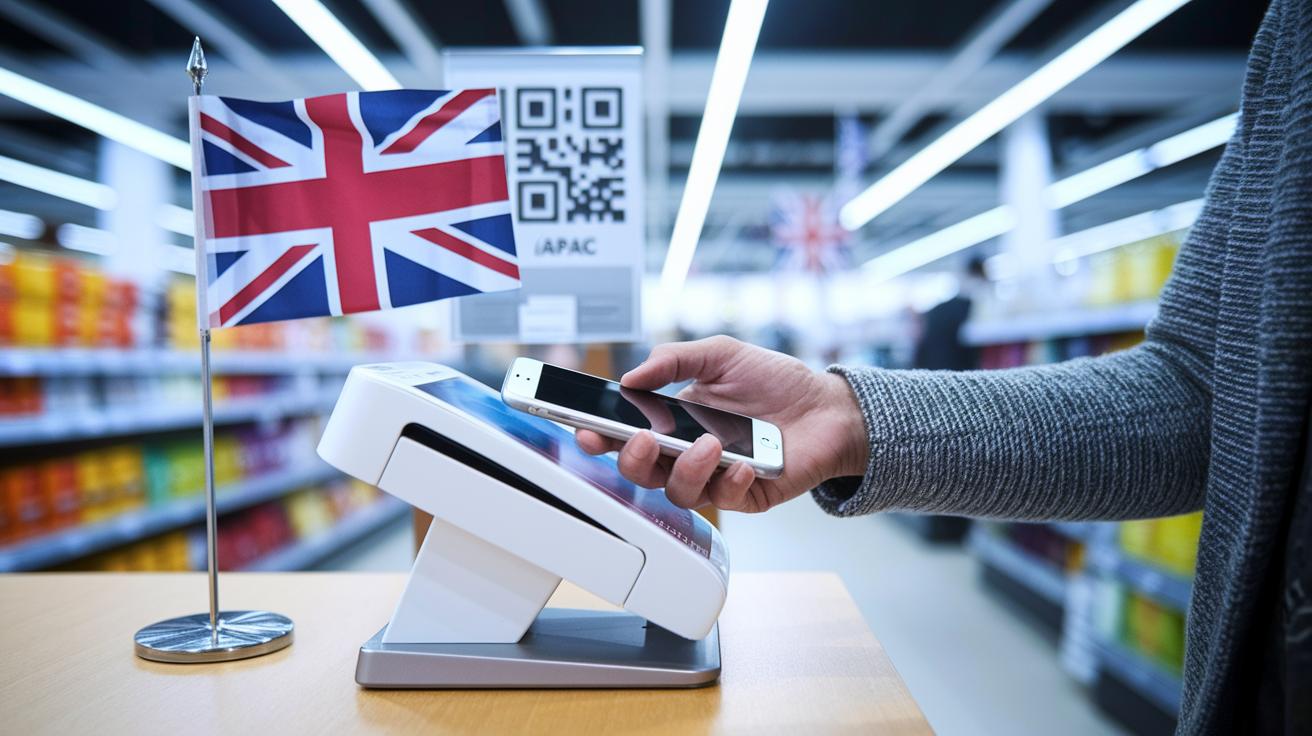
Mobile payments are changing the way we shop. Over in the UK and Ireland, contactless payments cover more than 70% of all in-store purchases. Think about it: Google Pay and Apple Pay let you tap and go in less than a second. A mobile wallet transaction can happen faster than blinking an eye.
Digital wallets keep getting smarter by adding extra security and adapting to local trends. In the Asia-Pacific region, QR code scanning is on the rise, meaning you can just scan a code to pay. Plus, integrating fingerprint sensors has given users an extra boost of confidence.
Advancements in Real-Time Settlement and Worldwide Remittance Breakthroughs
Instant fund transfers are changing how money flows across borders. Payment systems that deliver funds in seconds are rolling out across the United States by 2025. Imagine sending money from one bank and watching it appear right away. Meanwhile, traditional methods like checks and ACH are dropping by about 15% each year as more people opt for speed and ease. Think of a small business owner who gets paid instantly without any delays.
Banking apps are also evolving by weaving in embedded finance. In regions like Asia-Pacific, Africa, and Latin America, sending money overseas now feels as simple as a tap on your phone. What used to be a slow, complicated process now looks more like an everyday banking task. Even old remittance corridors are trimming fees by up to 30% with these modern systems that use instant rails and API-based clearing. Lower fees mean happy customers and smoother transactions for banks.
Innovative remittance solutions do more than just cut costs. They set up a future where money moves as quickly as our decisions do, empowering both individuals and businesses in our connected global market.
AI-Driven Security and Fraud Prevention in Digital Payment Solutions

Digital payment systems are constantly getting smarter to keep up with our busy world. Payment providers now mix clever techniques to secure your information and stop fraud. They use technical methods like tokenization, which means replacing your private details with safe codes, and AES-256 encryption, a strong way to lock away sensitive data so it can’t be misused if stolen.
Generative AI now checks every transaction in real time, spotting odd patterns with about 98.7% accuracy. So when something seems off, the system jumps into action quickly. Think of it like a shop owner watching a smooth, well-run operation, catching any hiccups right on time. And with the addition of biometric checks, like fingerprint scans and facial recognition, fraud cases have dropped by 45%. These quick verifications help ensure the person making the payment is truly who they say they are.
Blockchain technology is also joining in. It creates secure audit trails by recording transactions on a distributed ledger, which makes it very hard for anyone to change the records. In short, modern tech and smart algorithms are working together to make digital payments safer and more reliable than ever.
| Security Innovation | Description |
|---|---|
| Tokenization | Replaces card details with safe codes, protecting sensitive information. |
| AES-256 Encryption | Uses a strong encryption method to lock data securely. |
| AI Anomaly Detection | Scans transactions to flag unusual patterns almost instantly. |
| Biometric Authentication | Uses fingerprint and facial recognition to verify user identities. |
| Distributed Ledger Auditing | Employs blockchain to create an unchangeable trail of transactions. |
This blend of AI, machine learning, and strong encryption makes digital payment systems not only more secure but also more trustworthy for everyday users.
Open Banking APIs and Fintech Partnership Models in Digital Payments
Standardized APIs and Strong Customer Authentication
PSD2-driven APIs let safe third-party access banking info while still protecting your privacy. They use a simple REST architecture, which means they work smoothly and keep the connection secure. With Strong Customer Authentication, users go through extra checks, like entering a code or using a fingerprint, to prove who they are. Imagine you’re shopping online and see your phone prompt you for a quick code in real time. This setup makes it easy for banks, fintech companies, and tech providers to work together. It even uses machine learning (a way for computers to learn from data) to watch transactions, making sure everything stays on track without complicating the process.
Commercial Variable Recurring Payments (cVRPs)
cVRPs are like a set-it-and-forget-it plan for everyday expenses. They handle things like credit card bills or subscriptions automatically each month, so you don’t have to lift a finger. Think of it as your utility bills or gym membership fees taking care of themselves from your account. Payment orchestration platforms use simple data insights to choose the best times and methods for these payments. Fintech partnerships bring banks and tech innovators together, which makes smart contracts (self-executing agreements) and serverless compliance (keeping things in order automatically) work effortlessly. This teamwork helps cut down mistakes, speeds up recurring payments, and builds trust between providers and their customers.
Cryptocurrency Adoption Surge and Central Bank Digital Currency Developments

Bitcoin shot past the $100,000 mark in 2024, pushed along by ETF listings that grabbed everyone’s attention. This big jump shows a wider trend in crypto adoption that is changing how digital banking works around the globe. Investors, from everyday folks to huge institutions, are keeping a close eye on decentralized ledger apps that promise safer and clearer record-keeping. Mixing traditional finance with these fresh digital assets is sparking friendly debates on how to watch over cryptographic credentials and manage altcoins.
Meanwhile, central banks are not sitting still. More than 60% are now testing or researching digital currencies known as Central Bank Digital Currencies, especially as the use of cash slowly fades away. For example, the European Central Bank is set to pilot a digital euro in 2025, opening the door to faster and more transparent payments. Similarly, the Bank of England is working on early versions of a digital pound, aiming to combine secure transactions with the benefits of modern digital banking. These steps are building the path to a future where digital money becomes part of everyday life.
| Currency | Issuing Authority | Pilot Status |
|---|---|---|
| Digital Euro | European Central Bank | Design phase (Q2 2025) |
| Digital Pound | Bank of England | Research (2024) |
| Digital Yuan | PBOC | Multi-city pilot (ongoing) |
Embedded Finance Convergence and Payment Integration Across Industries
Digital payment systems are everywhere now, making transactions fast and reliable. Think about how healthcare apps settle claim payments almost instantly, how manufacturing systems add financing options directly into their processes for smoother operations, and how real-estate tools let buyers transfer deposits right on the site for a quick down payment.
Expanded Industry Integrations
- Business-to-business systems now come with built-in invoicing and reconciliation features, which means less paperwork and fewer mistakes.
- Handling payments across countries is easier too, thanks to systems that keep everything in line with rules in regions like Asia, Latin America, and Africa.
These combined features cut down on manual work and errors, while opening up more ways to earn money across different platforms.
Regulatory Shifts and Compliance Requirements in Emerging Digital Payment Solutions

Legislative changes are really shaking up how digital payment providers run their businesses. A new Consumer Credit Control Act is on the horizon, and it plans to cover not just traditional lenders but also "Buy Now, Pay Later" services and fintech companies. In plain terms, this means businesses need to update their procedures and security measures to meet fresh legal standards.
Regulators, telecom companies, and banks are teaming up to fight fraud more effectively. They’re working on layered fraud laws that emphasize tokenization, a method that replaces sensitive data with unique symbols, and real-time monitoring to catch issues as they arise. Providers are now being pushed to use modern, serverless compliance systems mixed with better risk assessment strategies. For instance, real-time biometric checks like fingerprint or facial recognition are becoming more common to help cut down on fraud and protect customer data.
Over in the U.S., agencies are tightening data-security rules to keep up with rapid new tech. Across the Atlantic, the EU is also stepping up by enforcing revised PSD3 rules with extra layers of compliance challenges.
Providers can also keep an eye on recent legislative proposals like the Impact of Stablecoin Regulation and the Senate Stablecoin Bill. These offer clues about emerging risk management strategies that are shaping the future of digital payments. In the end, adapting to these changes isn’t just about checking off compliance boxes, it’s about building a secure, trustworthy financial system that everyone can rely on.
Final Words
In the action, this blog walked through key shifts shaping our payment systems, from mobile wallet and contactless trends to real-time settlements and AI-driven security updates. It also unpacked open banking APIs, cryptocurrency movements, and smart integrations across industries. These insights break down complex market shifts into simple, understandable steps, helping you spot emerging trends in digital payment solutions. The strides made in technology and regulation set a bright stage for future transactions and smart investing. Stay optimistic and keep exploring these shifts to guide your next investment steps.
FAQ
What do emerging trends in digital payment solutions PDF and 2021 reports reveal?
These reports reveal shifts toward real-time payments, secure mobile wallets, AI-enhanced security, and embedded finance, stressing faster transactions and improved user experiences in digital finance.
What are the payment trends expected by 2026?
Payment trends by 2026 highlight faster, contactless, and secure methods through instant settlements, enhanced API integration, and robust blockchain security measures for smoother financial transactions.
How do J.P. Morgan Payments insights explain current industry movements?
J.P. Morgan Payments insights indicate a move toward mobile wallet adoption, AI-driven fraud prevention, and rapid transaction processing, reflecting the drive for improved efficiency and customer satisfaction.
How are Deloitte payment trends influencing digital payment innovations?
Deloitte payment trends reflect a push for contactless commerce, real-time settlement advances, and integrated fintech solutions, prompting businesses to modernize digital payment methods for better performance.
What defines digital payment trends and the latest trends in cards and payments?
Digital payment trends are defined by the growth of mobile wallets, NFC and QR innovations, and secure authentication methods that enhance transaction speed and reliability for everyday use.