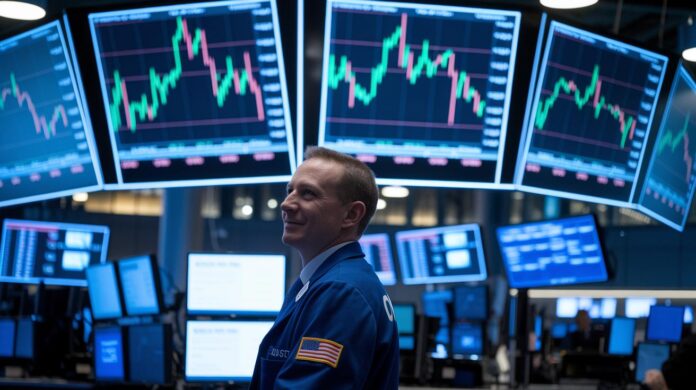
Have you ever wondered if fast, computer-run systems could really change the way we trade? New computer programs in trading are shaking things up by cutting down on mistakes and making quicker decisions using smart tools like artificial intelligence (that is, computer programs that learn from data) and machine learning. These systems work much like a digital calculator that never slips, offering traders up-to-the-minute data. With smart technology now behind over half of U.S. stock trades, market confidence is on the rise. In this post, we look at fresh trends that are changing both how trading works and how it's kept in check, making the trading world feel more reliable.
How Emerging Trends in Algorithmic Trading Are Redefining Performance and Regulation
New trends in algorithmic trading are shaking up how trades are made. By combining AI, machine learning, and big data, these systems can sift through massive amounts of information very quickly. This fast, tech-driven approach cuts down on human mistakes and gives traders more reliable data. Today, machine-led trading makes up about 55% of U.S. equity trades and 80% of FX futures trading, speeding up the market and boosting precision.
Investors are feeling more confident, too. Innovations like AI-based fraud detection have reduced false alerts by 90%, which has spurred a 146% increase in spending on market surveillance since 2010. Markets are projected to hit a $19 billion trading volume by 2024. It’s a bit like moving from guessing your change to counting on a digital counter that never errs.
Performance gains and strict rule-following now go hand in hand. Real-time monitoring systems can process up to 150,000 messages every second, ensuring trades stick to all the rules right when they happen. This automatic oversight works side by side with high-performance trading tech to better manage risks. As these smart systems improve, they help cut losses during volatile times and set the stage for a more dependable trading environment.
AI and Machine Learning Innovations Powering Algorithmic Trading

Advanced AI and machine learning are shaking up the world of algorithmic trading. New systems use deep learning to pick up on subtle market clues that older methods might miss.
Deep Learning Pattern Detection
Models that mix convolutional and recurrent networks team up to find hidden price signals. They study huge amounts of past data to spot patterns that could hint at future trends. For example, a small but steady price change might actually be the early sign of a bigger shift. Interestingly, one well-tuned neural network detected a major market reversal hours before traditional systems caught on.
Sentiment Analysis via NLP
Trading algorithms today also lean on natural language processing to gauge market mood. They scan earnings calls, social media chatter, and news feeds to figure out how investors are feeling in real time. Imagine a scenario where a sudden negative tweet makes the system quickly adjust its trade orders. This real-time text analysis helps ensure that trades match the current market vibe.
Reinforcement-Learning Systems
Reinforcement learning platforms, like the Tech Trader system running since December 2012, learn directly from live market feedback. They try different strategies, learn from their successes and mistakes, and then adjust their tactics, much like a human trader would, but way faster. While these AI tools have improved trade execution and signal processing, there are still hurdles like overfitting and managing real-time data fluctuations. Researchers are hard at work solving these issues to build even sharper tools for tomorrow's markets.
Big Data and Alternative Data Applications in Algorithmic Trading
Big data has really changed how the stock market works. Trading systems now get tons of information faster than ever. Platforms use live market data, like heatmaps and zoomable views, that mix digital info with real-world details. This flood of data helps traders use smarter predictions and track trends, leading to automated trades that feel almost natural.
Here are some examples of the data being used:
| Data Source | Description |
|---|---|
| Satellite imagery | Pictures from above that show real-time changes |
| Credit card and transaction feeds | Spending data that hints at market trends |
| Web-scraped consumer sentiment | Online reviews and social chatter reflecting opinions |
| IoT and sensor data | Information from devices that can track movements and changes |
Merging all these types of data into one clear system isn’t easy. Systems must pick through different formats and update speeds. Techniques like back-testing (checking if a model would have worked in the past) and adaptive calibration (tweaking models to keep them accurate) are key to solving these challenges. Traders often fine-tune their algorithms so they can read both digital signals and unusual market clues. By keeping these methods fresh, developers are building more versatile systems that mix traditional financial data with new, alternative signals. This careful blend of data collection and smart analysis keeps market optimism high and paves the way for creative trading strategies.
Advances in High-Frequency Trading and Algorithmic Market Microstructure
Low-Latency Infrastructure
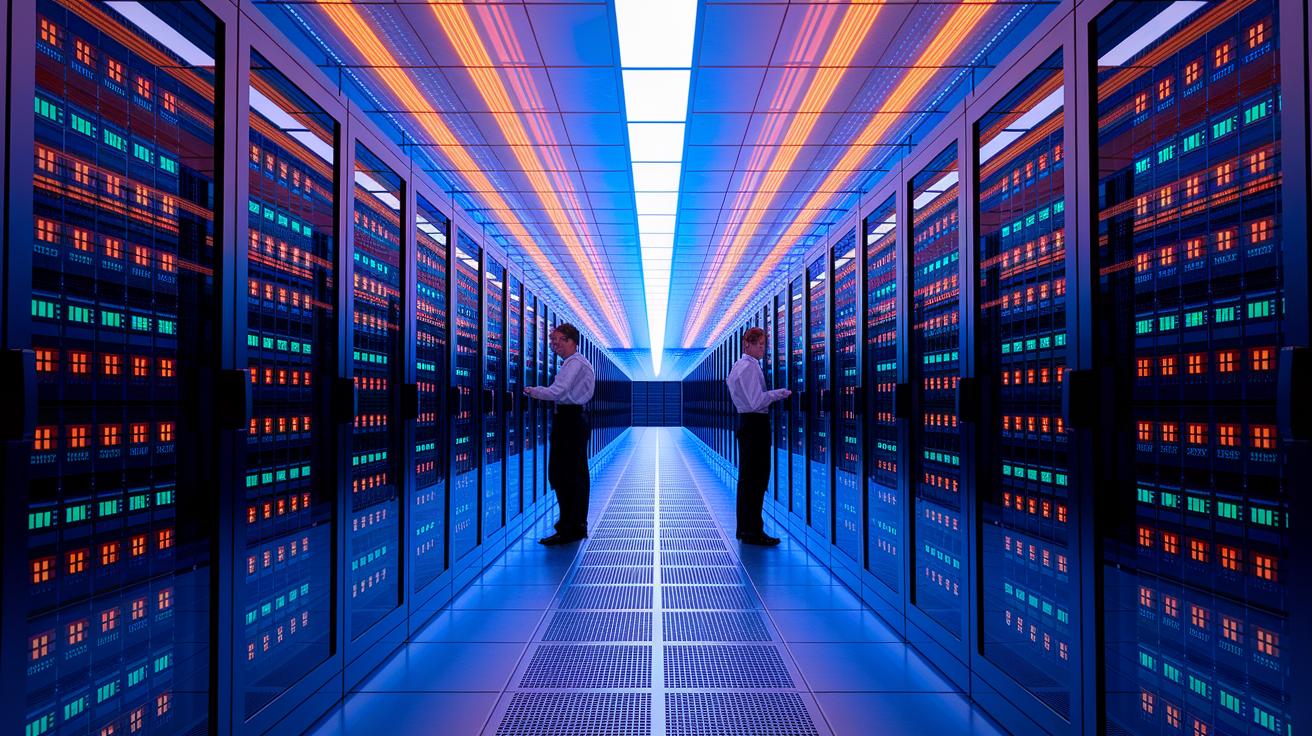
High-frequency trading now makes up about half of all U.S. stock trades. You can see this explosion in places like the NJ Triangle and Chicago. Firms are busy upgrading their networks using technologies like microwave, mmWave (which uses super-fast radio waves), and fiber-optic cables. For instance, some companies use mmWave links from Anova Networks that can hit speeds up to 1 Gbps. This helps make trade orders happen almost instantly and cuts down on extra costs. Think of it like a race where every split second matters, ensuring trades are smooth and super speedy.
Quantum Computing in HFT
New tests with quantum computing are showing exciting potential for high-frequency trading. Early experiments on systems like Google’s 53-qubit processor and IBM’s quantum cloud have suggested that these tools might work up to 100 times faster than traditional setups. While these trials are still in the early stages, they’re like tinkering with a powerful new engine, initial trials might be a bit rough, but the promise is huge. Firms are weighing the high cost of these new systems against the benefits of faster and tighter trade executions. As technology keeps improving, we can expect new speed standards that will push algorithm efficiency to the next level.
Regulatory Developments and Risk Management in Algorithmic Trading
Regulators are working hard to keep up as market practices change at lightning speed. They are now balancing rules that cross countries and updating their policies to handle new digital trading risks. For example, in one major market, unexpected trade patterns led to quick regulatory action and a thorough policy review.
Real-time monitoring systems have come a long way from just counting messages. Today, these systems adjust risk limits on the fly when the market feels turbulent. One platform, for instance, modified its alert triggers after a sudden burst of volatility, much like changing course when you encounter rough waters.
Modern AI fraud detection goes even further by assessing more than just individual trades. By examining broader data signals, it can spot subtle irregularities in trading behavior. In one case, a trading firm used an upgraded AI model that flagged unusual patterns early on, which greatly helped refine their risk assessments.
Automated controls and backtesting methods have given traders deeper insights into potential risks. These tools use historical market scenarios to uncover hidden dangers that may be missed through manual reviews. One example showed that an automated scenario analysis detected emerging issues in trade setups, leading to more robust risk management strategies.
Case Studies and Future Outlook for Algorithmic Trading

Lately, we've seen some cool case studies that are changing the game for algorithmic trading. Traders are blending fresh innovations with their usual quantitative strategies. They use smarter backtesting algorithms (tools that check how a strategy would have worked in the past), trade simulation software, and improved market data to test ideas before committing real money. And with AI and machine learning in the mix, order execution and risk management are getting a serious upgrade.
| Case Study | Technology | Key Results |
|---|---|---|
| AI Quant System | Machine Learning & Data Integration | Better backtesting and trade simulation |
| High-Speed Quantum Trial | Quantum-Enhanced HFT | Up to 100x faster execution |
| Integrated Data Engine | Advanced Market Data Integration | Stronger risk controls via unified data |
- Alternative data products are growing at a 50.6% annual rate, fueling smarter strategies.
- Quantum-enhanced high-frequency trading could dramatically boost how quickly trades happen.
- New backtesting methods now use live market data, making risk management tighter.
- A move toward unified market data helps create more precise trade simulations.
For example, take the AI Quant System. By mixing machine learning with real-time data, it hones trade simulations to spot opportunities with much more accuracy.
Final Words
in the action, this article explored how AI innovations, big data, and evolving trading infrastructures are reshaping market performance. We reviewed how advanced automation and real-time compliance systems help balance speed with risk control.
We also highlighted real-world examples and the future forecast of smarter trading strategies. Each section shed light on the interplay between performance gains and regulatory improvements. Stay positive and confident as you consider emerging trends in algorithmic trading for informed investment decisions.
FAQ
What emerging trends characterize algorithmic trading?
The emerging trends in algorithmic trading include integrating AI, machine learning, and big data to refine trading strategies, improve performance, and help manage risk by processing massive amounts of information quickly.
What are common algorithmic trading strategies and software features?
The algorithmic trading strategies use automated rules, deep learning for pattern detection, and real-time data feeds. Trading software leverages these to execute orders rapidly and adjust strategies based on market conditions.
How is AI integrated in algorithmic trading, and what impact does it have?
AI integration in algorithmic trading enhances trade execution by detecting hidden market patterns, analyzing market sentiment, and adapting self-learning systems. This leads to smarter decision-making and improved risk management.
Where can I find educational resources like books, PDFs, or code examples on algorithmic trading?
Educational resources on algorithmic trading include specialized books, PDFs, and open-source code examples available through platforms like QuantConnect, which provide practical tools for testing and deploying trading ideas.