

Ever thought about making quick profits from small crypto price changes? Crypto arbitrage means you buy a coin for less on one exchange and then sell it for more on another. It’s like finding a deal in one shop and then quickly turning it around for a little extra cash in another nearby store. In this post, we explain how these fast trades work and why even a little gap in price can add up over time. Let’s dive in and see if this approach might be right for you.
Crypto Arbitrage Opportunities Explained
Crypto arbitrage is a way to try and make a profit by spotting when a cryptocurrency’s price is different on two exchanges. In simple terms, it means buying a coin for a lower price on one platform and selling it at a higher price on another. Think of it like finding a discounted toy at one store and selling it for a bit more at another store.
A typical arbitrage trade usually finishes in just 15 to 20 minutes. In that short time, you have to act fast because prices can quickly line up and remove the chance for profit. That’s why it’s important to watch the market closely and be ready to jump in at a moment’s notice.
There are a few different ways traders pull off arbitrage. One method is spatial arbitrage, where you buy on one exchange and sell on another. Then there’s triangular arbitrage, which means trading across three different pairs on the same exchange to save on fees. Some traders even try decentralized exchange arbitrage when platforms have less regulation. And for those who like using tech, statistical arbitrage relies on automated models and bots to catch tiny gaps in pricing before they vanish.
High transaction fees and narrow profit margins mean you usually won’t earn huge sums from a single trade. So, most successful strategies depend on making lots of trades or using a lot of money to see some real gains over time.
Algorithmic Crypto Arbitrage Techniques
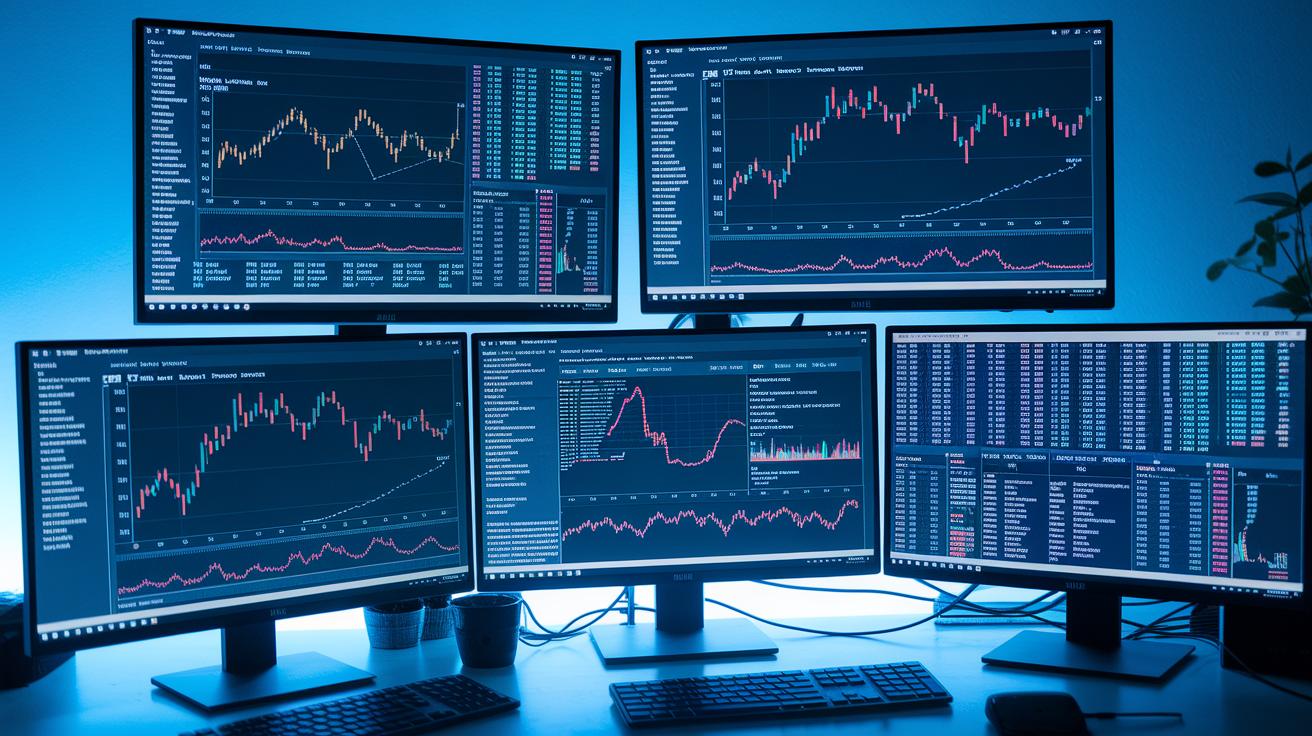
Automated trading methods are taking over the crypto world. They work non-stop and spot tiny price differences that people might miss. These systems run smart programs that watch hundreds of coins and make trades in seconds. They help traders grab even tiny profit differences.
| Method | Description | Fee Impact |
|---|---|---|
| Spatial | Takes advantage of price gaps between different exchanges without moving coins around | Low because it avoids extra on-chain transfer fees |
| Triangular | Trades three different coin pairs on one exchange | Helps lower fees by making smart trades between pairs |
| Statistical | Uses fast bots that score coins with simple math models | Cuts costs with volume-based automated decisions |
| Decentralized | Works on decentralized exchanges where no one is in full control | Fees change with network traffic and on-chain activity |
For example, spatial arbitrage grabs price differences across platforms by making trades so fast that funds do not even need to move on the blockchain. Triangular arbitrage is all about trading three coin pairs on the same exchange. This method shines when cutting fees is important. Then there is statistical arbitrage. It uses high-speed bots to cover hundreds of trades each second. These bots spot and use minor inefficiencies right away. Lastly, decentralized arbitrage works best on exchanges that share control. However, fees here can vary based on how busy the network is.
Each of these techniques fits a different market need. In busy markets with changing fees, choosing the right method can be the key to a smooth and profitable trade.
Crypto Arbitrage Platform Comparison
If you're on the hunt for a good arbitrage platform, start by checking out the basics: asset variety, market access, and fees. Look for a service that supports hundreds of currency pairs, stocks, and well-known cryptocurrencies like BTC, ETH, XRP, TRX, and ADA. With more assets on offer, you'll have plenty of chances to make smart trades while keeping the costs low.
Next, think about the extra tools that can help you along the way. Some platforms come loaded with over 150 prebuilt template strategies so you can jump right in without having to learn coding. Others let you craft your own strategies, giving you the creative freedom to tailor your approach. Many platforms also have demo modes, so you can try out your ideas using historical data before diving in with real money. Often, you might even get a free 30-day trial that includes trading signals, rule creation tools, and portfolio management options. For more in-depth details, check out our trading platform review guides.
Another point to consider is how the platform connects with both decentralized and centralized exchanges. Some options blend smoothly with decentralized trading spots, while others focus on more traditional, centralized systems. This mix can affect things like how fast your trades execute and what fees you might see.
Lastly, a multi-market approach is a big win. Some platforms let you step into arenas like AI Forex Trading and AI Stocks Trading in addition to crypto arbitrage. While having several features is great, it can also mean that there are different fee models and a bit more complexity to navigate.
Crypto Arbitrage Bot Development

When you build your own arbitrage bot, the first step is creating a solid design. The bot needs to pull live price details from different exchanges using data feeds. This real-time information goes to a decision engine that spots opportunities based on simple rules. Once a chance pops up, the bot quickly sends trade orders, acting like a sharp lookout and speedy trader all in one.
Using Python is a popular choice when coding your bot. Python offers friendly libraries and good support for connecting to APIs. Many developers use tools like Requests or WebSocket libraries to link with exchange platforms. Starting with sample code or prebuilt templates often makes the whole process a bit easier, giving you a clear path to add more advanced logic later.
Backtesting your bot is an important step before you go live. You set up a simulated test using past market data to see how your bot would perform under real conditions. This trial run can show you if your arbitrage plan holds up and helps you spot areas that might need tweaking.
It’s also vital to set some risk controls to keep your funds safe. Features like stop-loss settings can help protect your money if market conditions change unexpectedly. Some developers even add a reserve fund to keep backup capital on hand. Testing between live and demo environments lets you fine-tune your bot without risking real money until you're confident in its reliability.
Managing Risks in Crypto Arbitrage
Crypto arbitrage might seem like a safe bet since you’re not trying to predict market swings. But there’s a small window, about 15 to 20 minutes, when those price differences can quickly disappear. In this short period, even a slight price shift can turn a good trade into a missed opportunity. And when you add in high transaction fees and narrow margins, managing risks becomes absolutely essential.
Some key challenges include:
- Slippage
- Transfer delays
- High fees
- Liquidity gaps
- Exchange solvency
One way to dodge these pitfalls is by opting for trading pairs that have lower fees and by pre-funding your accounts to reduce waiting times. Using faster networks and platforms that let you maintain your assets in place can also help you save on processing fees and avoid delays that come with on-chain transactions.
Modern arbitrage bots now come with built-in risk controls. They can often be set with stop-loss orders to automatically pull out of a trade if the market turns against you. Plus, by sticking to strict risk limits, you ensure that no single trade puts too much cash on the line during those fleeting volatile moments. In short, these protective measures help you balance speed with safety, which can make a world of difference when margins are tight and the market is always on the move.
Regulatory Landscape for Crypto Arbitrage

Centralized exchanges stick to strict government rules. They require every user to verify their identity and pass licensing checks. These exchanges follow know-your-customer and anti-money laundering rules, which might slow trades down a bit, but they offer a safe and organized market.
Decentralized exchanges, on the other hand, work without a central boss. They let you trade faster and more anonymously, though they don't have as much oversight. This difference really affects how traders experience the market.
Centralized platforms also wrestle with extra regulations from different regions. They have to comply with various identity checks and licensing rules. These rules are meant to protect customer funds and ensure legal safety across borders, but they can delay transactions. This means traders often need to plan ahead. Sometimes, these rules even limit access to certain arbitrage chances, affecting speed and flexibility. So, caution is always important.
Soon, new regulatory changes might reshape arbitrage trading altogether. Authorities might tighten controls on stablecoins (digital currencies pegged to a stable asset), enforce stronger reporting, and introduce new licensing rules. Even small changes can affect how much arbitrage costs and who can take advantage of it. Traders are quick to adjust as these rules evolve.
Advanced Strategies and Future Trends in Crypto Arbitrage
High-frequency trading techniques are changing the way crypto is traded. These systems use smart AI to sift through vast amounts of data in real time, checking hundreds of assets across different exchanges. They even make sure that trade servers are close to exchange servers to reduce any waiting time. This means that even tiny price differences can be caught in milliseconds.
New tech is opening fresh paths for crypto arbitrage. Machine learning filters, which help by spotting market moves and price patterns quickly, make it easier to notice when prices across assets don’t quite match up. This lets traders grab new opportunities and fine-tune their strategies on the fly, making trades smart and swift.
Some platforms are stepping up by getting rid of extra fees. They remove spreads, subscription fees, and deposit fees, which all add up. Cutting these costs boosts overall profits and makes investing more attractive for those looking for quick returns, sometimes in just an hour instead of waiting for slower, traditional investments.
Looking to the future, fresh innovations will keep changing the crypto arbitrage game. Cross-chain atomic swaps, for example, let you trade assets directly between different blockchains without needing a central exchange. Plus, integrated messaging alerts keep you updated on any market shifts, so you can act fast. Overall, these advances point toward a trading world that is clearer, faster, and more efficient.
Final Words
In the action, this article broke down how crypto arbitrage works by pointing out trading opportunities from price gaps on different exchanges. We explored fast, automated trading methods, the pros and cons of various platforms, and even light touches on risk and regulatory matters. Each section offered a clear look at techniques, potential profits, and careful planning needed to succeed. The piece leaves you with practical insights and positive energy to experiment with crypto arbitrage and keep your strategies fresh.
FAQ
What is a crypto arbitrage scanner?
A crypto arbitrage scanner is a tool that checks multiple markets for price differences. It helps traders find quick profit chances by spotting when a cryptocurrency is cheaper on one exchange and higher on another.
What is crypto arbitrage Reddit?
Crypto arbitrage Reddit is an online community where users share tips, experiences, and strategies. It serves as a platform for discussing price gaps, trading tools, and market insights among crypto enthusiasts.
What is a crypto arbitrage platform or app?
A crypto arbitrage platform or app is a digital tool that assists traders in buying low and selling high across exchanges. It often offers prebuilt strategies and demo modes to test various arbitrage methods.
What are crypto arbitrage opportunities?
Crypto arbitrage opportunities occur when price differences between markets allow traders to buy digital assets at lower prices and sell them at higher values. These chances enable quick, often automated, profit-making transactions.
What are crypto arbitrage signals?
Crypto arbitrage signals are alerts that notify traders when price discrepancies arise between exchanges. They help users act fast on potential profit opportunities by highlighting when it’s time to execute trades.
What is a crypto arbitrage strategy?
A crypto arbitrage strategy is a plan designed to exploit price gaps between markets. Traders often use automated systems to quickly buy and sell assets, minimizing risk and maximizing small profit margins.
Does crypto arbitrage really work?
Crypto arbitrage works by capitalizing on price differences between exchanges. While it can be effective, success hinges on quick actions and managing fees, as profit margins tend to be narrow.
Is arbitrage illegal in crypto?
Arbitrage in crypto is legal. It involves buying and selling digital assets across different markets and is accepted on compliant platforms, though traders should follow local regulations and platform policies.
Can you make $1000 a day with crypto?
Earning $1000 a day with crypto arbitrage is possible but challenging. It requires significant investment, fast execution, and low-cost transactions, as the profit margins per trade are typically small.
What is an example of crypto arbitrage?
An example of crypto arbitrage is buying Bitcoin on one exchange at a lower price and selling it on another where the price is higher. This process, after accounting for fees, nets a small profit per trade.