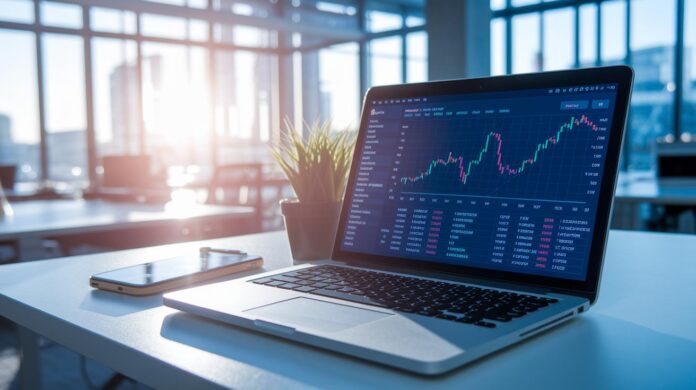
Have you ever wondered if a computer can make better trades than you? It might sound surprising, but AI trading platforms are getting really good at this. They use very fast data crunching to keep feelings out of the process and help you make clear, straightforward choices.
In this chat, we'll look at the key parts of AI trading and share what real users have experienced. I even dug into some reviews to see how these tools work day by day. It’s like discussing market trends over a friendly cup of coffee.
We will explore how these smart systems can guide you to make better decisions and keep your risk in check. So, stick with us to see if this modern approach might boost your trading game.
AI Trading Platform: Comprehensive Overview and Key Benefits

AI trading platforms use smart machine learning and advanced algorithms to make trading decisions automatically. They work by quickly analyzing lots of market data from stocks, currencies, futures, and cryptocurrencies. This process helps remove emotions from trading by relying on constant, data-based insights.
These platforms let you optimize your portfolio and create custom strategies so you can react with speed and precision. They’re designed to support everyone, from newcomers to seasoned traders, by offering a variety of features. Whether you prefer ready-made dashboards or need deep analytical tools for more intricate strategies, these platforms adapt to you.
They bring together the latest techniques to help improve your investment decisions, creating a powerful system that works around the clock. For a closer look at how these modern tools are changing trading, check out ai trading.
Key benefits include:
- Elimination of emotional bias
- Real-time data processing
- Accurate backtesting
- Scalability to grow with your needs
- 24/7 market monitoring
Each of these benefits works together to boost your productivity and help you make smarter, faster decisions in a fast-paced market.
AI Trading Platform Core Features and Functionalities
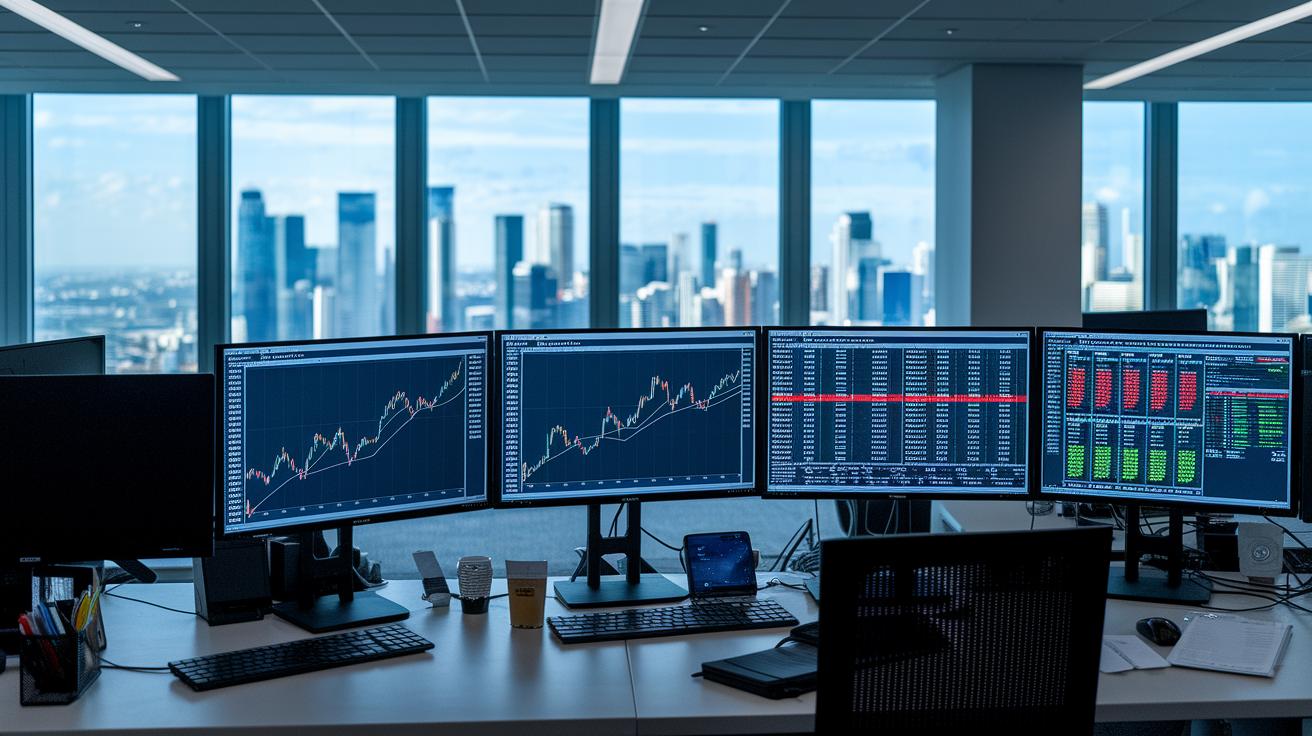
AI trading platforms gather huge amounts of data and mix it with clever signal techniques to help traders catch market shifts with clear precision. For example, TradeEasy AI pulls real-time news and market mood, turning everyday info into practical signals you can act on right away. It even watches social chatter and news feeds so traders can see market reactions almost instantly. And take TrendSpider, it watches charts over different time periods to spot new trends, while TradingView offers tools like custom scripting and detailed charting to give you a full picture. All these pieces work together so the system can deliver trade alerts you can really count on.
These platforms also shine when it comes to handling historical market data and running tests on past trends. They use smart cloud-based trade automation to let you simulate your strategies with ease. For instance, QuantConnect’s cloud environment supports backtesting and live trading using languages like Python and C#. This means you can try out your ideas across different asset groups without a hitch. Plus, community sharing makes it even better, with shared ideas, scripts, and custom tweaks to boost your trading game. All these tools combine to create a solid system that helps you stay one step ahead in a competitive market.
AI Trading Platform Comparison: Top Platforms in 2025
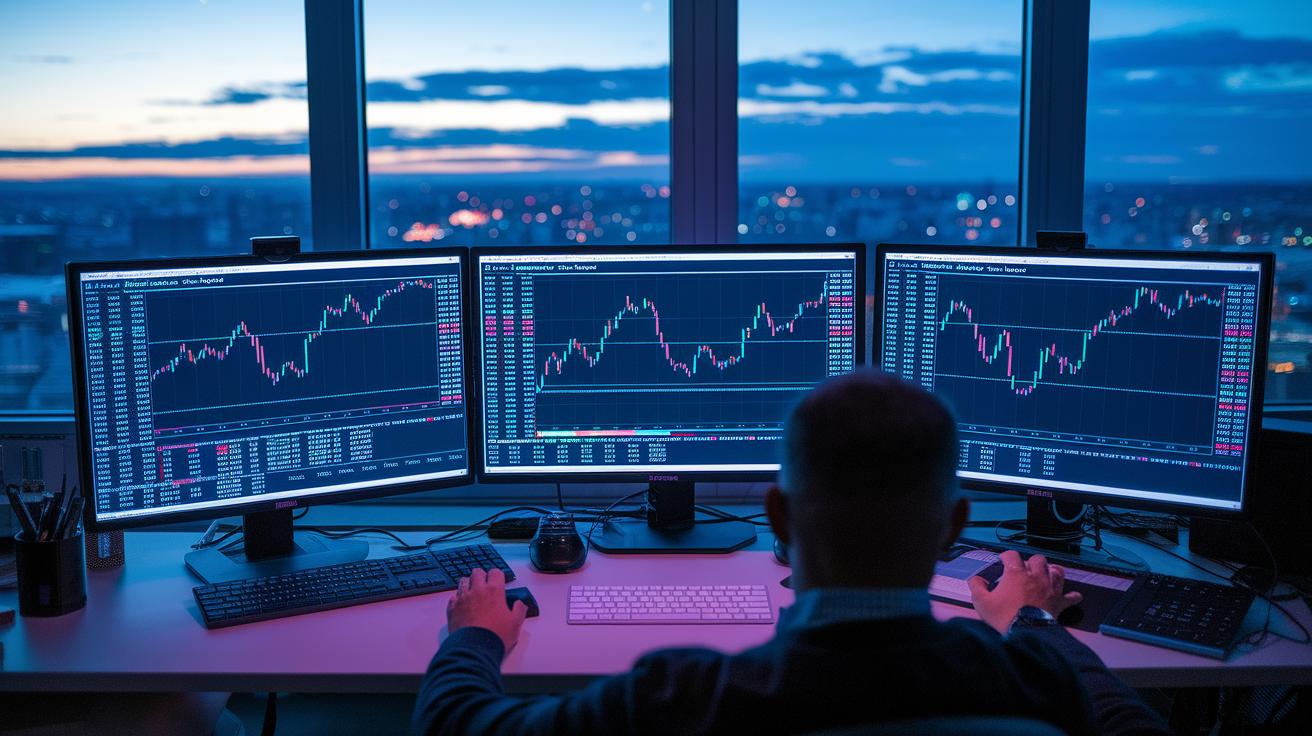
AI trading platforms are made to work for different types of traders. For example, TradeEasy AI is a great fit for those who follow market news closely. Its tools like Holly AI and Money Machine give you real-time updates on market moods so you can react quickly. TrendSpider, on the other hand, is cool for technical analysts by automatically checking charts over different time frames and spotting patterns. And if you’re an active day trader, Trade Ideas provides setups during the day that use data signals, meaning you don’t always have to watch the screen constantly. QuantConnect is perfect for quant fans with its cloud-based setup. It even offers a free community version and paid plans that start at just $8 a month. Then there’s TradingView, loved by discretionary traders, thanks to its detailed charts and custom alerts that help compare signals in both stocks and crypto.
Each platform brings its own strong points and different pricing plans. Some come with very advanced features for deep market analysis, while others are more budget-friendly, giving you just the essentials if you’re just getting started. This variety means you can pick a platform that matches your trading experience and needs perfectly.
| Platform | Best For | Pricing Range |
|---|---|---|
| TradeEasy AI | News-driven traders | $89–$167/month |
| TrendSpider | Technical analysts | $39–$129/month |
| Trade Ideas | Active day traders | $89–$167/month |
| QuantConnect | Quant strategies & professionals | Free to $8+/month |
| TradingView | Discretionary technical traders | $15–$59/month |
AI Trading Platform Technologies: Underlying AI Models

AI trading platforms often begin by using supervised learning to create a solid base for picking trading signals. They take historical market data paired with past outcomes so the system learns when it might be a good idea to buy or sell. For instance, Trade Ideas relies on its Holly AI engine and Money Machine strategy tool to spot market hints. TrendSpider mixes pattern-recognition techniques with basic machine learning to automatically review charts over different time periods. And QuantConnect uses the open-source LEAN framework, which blends reinforcement learning (a method where systems learn by trial and error) with predictive models to sift through lots of data and turn it into clear trade signals. It’s a bit like assembling scattered puzzle pieces until you see the big picture.
Deep learning steps in to fine-tune this process further. Using neural networks, computer systems that mimic how our brains work, it finds detailed patterns that could easily be missed. This means platforms can adjust their trading strategies on the fly. TradingView, for example, lets users add their own AI indicators with Pine Script, making it easy to customize signal detectors. Imagine an engine that senses market changes as swiftly as a digital thermometer notices a shift in temperature. This quick response boosts both how fast you can act and the accuracy of your decisions. Together, these smart methods give traders a tool that keeps getting better at navigating our fast-paced financial markets.
AI Trading Platform Guide: Steps to Start for Beginners

Starting with an AI trading platform might feel like a big step, but it’s easier than it seems. Many of these platforms are made for beginners, so they come with simple dashboards and ready-to-use strategies that don’t need any coding know-how. For example, Pionex offers 16 built-in crypto bots to get you trading right away, and TradeSanta has a free plan plus options that range from $15 to $90 a month. There are also free bot plans from StockHero and user-friendly drag-and-drop tools from Coinrule and AInvest, which let you try automated trading without feeling overwhelmed.
Here’s a simple way to get started:
- Create your account by signing up on your chosen platform.
- Connect your brokerage using an API (this links the platform to live market data).
- Choose a pre-trained strategy that suits your trading style.
- Run backtesting to see how that strategy would have performed in the past.
- Set your risk limits, such as stop-loss levels or the size of your positions.
- Keep an eye on live results so you can tweak your strategy as needed.
When you make your first trade, stick to simple moves. Start small and make use of trial features to build your confidence. In these early days, the goal is to learn how the system works in real market conditions and get comfortable with automated trading, so you can slowly build your skills and eventually customize your approach.
AI Trading Platform Performance: Metrics and User Feedback

One simple way to judge an AI trading platform is by checking its key numbers. You look at the win rate, maximum drawdown (that is, the biggest drop from a high point), Sharpe ratio (which tells you how much return you're getting for taking on risk), and ROI (return on investment). These figures help you see how the system holds up whether the market is calm or crazy. Some traders mention that returns often hover between 5% and 15% during busy times. That means, when the market shifts, it’s smart to adjust your strategy to keep your investments balanced with your risk.
Another key aspect is listening to what users say. Traders often rave about faster trade execution and timely market insights. Features like FirstradeGPT are getting a lot of praise because they make the whole trading experience smoother. This feedback is as important as the hard data because it builds trust. When you see detailed, real-time stats paired with clear tips, it really helps in fine-tuning your trading moves and making smart choices.
Finally, many platforms come with handy dashboards and alerts that constantly show important metrics. These tools let you react quickly when the market changes, so you stay in control of your trades every step of the way.
AI Trading Platform Pricing: Plans and Subscription Details

AI trading platforms offer different pricing plans to suit various needs and wallets. Whether you’re just trying things out with a free trial or ready for a package loaded with features, there’s something here for you. We’ve combined details from our past reviews into one handy overview. Plus, we noted some extra info on QuantConnect for those on a tighter budget.
| Platform | Free Trial | Entry-Level Price | Premium Price |
|---|---|---|---|
| TradeSanta | Yes | $15/month | $90/month |
| StockHero | Yes (1 Bot free) | $49/month | $99/month |
| Trade Ideas | Yes | $89/month | $167/month |
| TrendSpider | Yes | $39/month | $129/month (annual billing) |
| TradingView | Yes | $15/month | $59/month |
QuantConnect stands out by offering a free community plan, with paid plans starting at just $8/month. This simple guide lets you weigh the costs against the benefits as you decide which plan best fits your trading style and budget.
Final Words
In the action, we explored the inner workings of an ai trading platform, outlining its automated decisions, asset coverage, and smart signal generation. We broke down how these systems process real-time data, support custom strategies, and offer valuable user feedback.
These insights show how using an ai trading platform can help improve investor productivity and enhance trade outcomes. The clear benefits reveal exciting potential for those looking to improve efficiency and gain more confidence in their trade choices.
FAQ
Which AI trading platform is best?
The best AI trading platform is determined by your trading needs and style. It combines real-time data analysis and automated trade execution driven by machine learning, allowing you to trade without emotional bias.
Are there free AI trading platforms and apps available?
Free AI trading platforms and apps exist, offering basic tools and AI stock trading bots at no cost. They let you experiment with automated strategies before committing to paid plans.
What is an AI trading app?
An AI trading app uses machine learning and algorithms to analyze market trends and execute trades automatically. Its mobile nature makes it easy for traders to monitor and manage positions anywhere.
How do AI trading platforms help beginners?
AI trading platforms for beginners offer user-friendly interfaces and preset strategies. They simplify market analysis and trade automation, making it easier for newcomers to learn and start trading confidently.
What do AI trading platform reviews cover?
AI trading platform reviews cover features, performance, pricing, and user experiences. These reviews provide insights to help you choose a platform that aligns with your trading goals and risk tolerance.
Do AI trading platforms work?
AI trading platforms work by processing large volumes of data with advanced algorithms. They analyze market conditions and execute trades automatically, though success depends on the quality of data and strategy used.
Is AI trading profitable?
AI trading can be profitable when executed with well-designed strategies and quality data. Profitability varies with market conditions and ongoing adjustments to the automated system.
Can you make $1000 in a day from stocks?
Making $1000 in one day from stocks is possible, but it depends on market volatility, your trading strategy, and effective risk management. It requires careful planning and a clear understanding of market behavior.