

Ever wondered if one alert might change your profit game? In the fast-moving world of crypto, every second counts. Quick signals can help you grab a smart gain or avoid an unexpected loss. Think of them like friendly messages that let you know when Bitcoin or another digital coin is shifting its pace. Today, we reveal five signals that can help you fine-tune your trading moves. Get ready to see how these simple alerts could give your strategy a real boost.
Leveraging Real-Time Crypto Trading Signals for Actionable Insights
Crypto trading signals have really picked up steam recently. With digital coins like Bitcoin swinging in price, these alerts help traders catch quick opportunities for profit. In plain terms, signals give traders a heads-up so they don't miss a beat when prices change suddenly.
In busy markets, real-time alerts and live price tracking are like having a friend texting you at just the right moment. Daily updates mean you’re always aware of what’s happening, letting you make fast, clear moves that match the market’s mood.
| Benefit | What It Means |
|---|---|
| Speed | Instant alerts let you act on new data right away. |
| Precision entries | Clear signals show the best times to buy or sell. |
| Portfolio management | Real-time insights help keep your investments balanced. |
| Risk mitigation | Quick signals help you set stop-loss orders to guard against losses. |
| Altcoin opportunities | Fast alerts reveal chances with other digital coins that might fly under the radar. |
Every second matters in these markets. Traders who use these fast alerts often have a better edge, with quick reactions sometimes making the difference between profit and loss. With every trade backed by clear and actionable information, a mix of speed, accuracy, and risk control puts you in a stronger position to take advantage of the market's twists and turns.
Understanding Types of Crypto Trading Signals: Technical, Fundamental, and Algorithmic

Crypto signals come in many shapes and sizes to help traders act fast in busy markets. They mix clues from charts, economic news, and data-driven alerts to guide clear, actionable steps. For instance, you might get an alert when technical indicators align perfectly, letting you make a trade before the market turns.
Technical signals rely on visual cues like chart patterns and price shifts. GoodCrypto signals, for example, use smart indicators and a Binance trailing-stop feature to figure out the best times to enter or exit a trade. Think of it as getting a friendly tip when a moving average crossover hints at a momentum shift.
Fundamental signals look at the broader picture by tracking economic events, news releases, and changes in market mood. They help you understand why prices might be changing. Whether it’s a government announcement or a big partnership in the crypto world, these signals remind you to consider the economic forces behind each move, much like checking the weather before heading out.
Algorithmic signals depend on automated systems that crunch numbers using tools like liquidity checkers and crypto screeners. These automated alerts search for patterns and uncover opportunities even in the less obvious corners of the market. It’s like having a savvy robot that highlights the trends you might miss.
Knowing the difference between a technical cue, a fundamental trigger, and an algorithmic alert is key to picking the right trading strategy. When you get what each type of signal means, you can adjust your tactics with confidence as the market shifts around you.
Generating Crypto Trading Signals: Indicators, Predictive Models, and On-Chain Data
Technical indicators are the main tools traders use to create crypto trading signals. Moving averages smooth out price data to help reveal trends, and the Relative Strength Index (RSI) shows when an asset might be too high or too low. Crypto scanners, along with liquidity checkers and crypto screeners, keep an eye on live price and volume changes. For example, when the moving average goes above a key level, it might be a good moment to buy. These tools give clear, data-driven signals that help traders make fast decisions in quickly changing markets.
AI-powered tools and machine-learning models have changed the way signals are made. They sift through historical price data and mix it with smart prediction methods to spot possible trend reversals or shifts in momentum. They review many pieces of data in real time to pick up little patterns that you might miss with the naked eye. It’s like having a clever assistant that learns from past market moves and fine-tunes its forecasts. This tech-driven method helps traders understand market trends better and plan their moves with more confidence.
On-chain data signals add more insight by looking at what really happens on the blockchain. They track money moving in wallets and activity in smart contracts to show changes in investor behavior. When large transfers or busy smart contracts pop up, these signals warn traders of potential market moves before regular tools do. By combining on-chain clues with technical and predictive models, traders get a fuller view of what might drive the next price jump or drop.
| Methodology | Data Inputs | Primary Outputs |
|---|---|---|
| Technical Indicators | Moving averages, RSI, volume, liquidity checker data | Trend signals, entry/exit points |
| Predictive Models | Historical price data, statistical and AI models | Trend forecasts, momentum shifts |
| On-Chain Analytics | Wallet flows, smart-contract activity | Behavioral trends, early market movement alerts |
Evaluating Crypto Trading Signal Providers: Accuracy, Subscription Plans, and Reliability
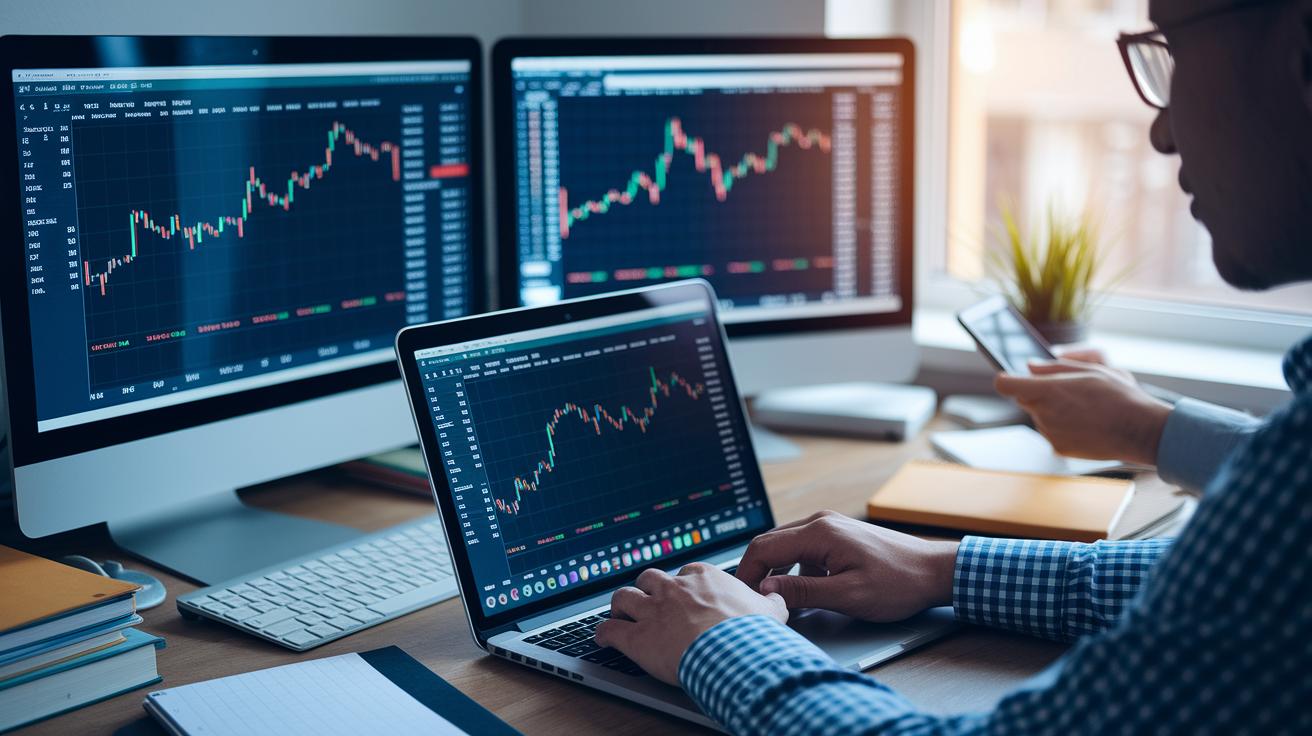
Choosing a crypto trading signal provider means looking carefully at how well the signals work. Quick signals let you act fast when the market moves, and accurate ones build trust. Many providers bundle trading tools in one easy-to-use platform, offering things like CFD trading and demo accounts so you can test strategies without any risk. They also follow strict rules to help keep your funds safe. Checking performance numbers from the past can show you if the alerts really match market moves.
When it comes to subscription plans, you usually have free and premium choices. Premium plans often bring extra perks, like token revenue sharing (picture receiving half of the token earnings) and sharper analysis tools. These features make the signals more robust and offer extra help if you need it. Free alert services give beginners a way to try out the market without spending much money, even if they don’t offer as many fancy features.
Good reviews and uptime guarantees are also key. Look for feedback from other traders that mentions how steady the service is and how often it might go down. When a provider has high ratings and reliable performance, you can feel more at ease knowing that they can handle sudden market changes.
Integrating Crypto Trading Signals into Your Trading Platforms and Bots
When you connect your exchange accounts with API keys, trading becomes a much smoother experience. Most top platforms offer both mobile and web trading apps, so you can easily keep an eye on a live dashboard updating with every market move. Picture this: you set up an API connection that sends real-time price data straight to your custom dashboard, making it super simple to trigger an automatic trade when a signal appears. This setup not only streamlines your trading but also keeps all your account management neatly in one place. In short, these integration tips help cut down on manual work while giving you a clear, ongoing view of how your portfolio is doing.
Signing up for signal alerts on Telegram or Discord can also boost your trading efficiency. Many traders set up crypto bot notifications in these popular messenger apps so they never miss a strong signal. When you join a Telegram or Discord group, you can fine-tune the alert settings to send instant warnings about market shifts. This cross-platform integration makes it easier to automate trade executions without constantly scanning the markets yourself. With well-set-up bot notifications, you not only save time but also improve your reaction speed, helping your trading strategy adjust quickly to capture smart gains.
Managing Risk with Crypto Trading Signals: Entry Points, Stop-Loss, and Exit Strategy Tips

Crypto trading can be a wild ride, so managing your risks is super important. Quick market moves may turn a good trade into a loss. Clear signals help you decide when to jump in safely and keep your profits protected.
When looking for the right time to enter a trade, watch the market closely. Look at support and resistance levels, a support level is where prices tend to stop falling, making it a good sign if the price bounces back. This method helps you choose a point where the chance to profit is high while keeping risks low.
Stop-loss and trailing stop alerts act like a built-in safety net. They automatically exit a trade when the price reaches a level you’ve marked, which protects your money from sudden drops. For example, a trailing stop moves up as prices rise, so if the market reverses, your gains aren’t wiped out. This added layer of safety helps boost your confidence when trading.
Exit strategy signals are just as crucial. They tell you when it’s the right time to walk away from a trade, especially when market conditions or trends start to change. This way, you’re more likely to lock in profits and avoid bigger losses.
And guess what? You can practice these techniques risk-free using demo trading accounts, live webinars, and tools from a Trading Academy. This practice helps build your skills and confidence before you start trading with real money.
Analyzing Crypto Trading Signals Performance: Backtesting, Case Studies, and Accuracy Benchmarks
Backtesting lets you check how well past signals guessed the market moves by using historical data and interactive charts. You can look over months of data and see, for example, if a moving average crossover often came right before a good trade. This method lets traders experiment with strategies without risking real money, offering a clear picture of where a trading plan might need some tweaking.
Looking at past trade signals together with accuracy numbers helps spot new chances in the market. When you match a signal’s history with its performance stats, it becomes easier to tell when a method nailed the best entry and exit points or when it missed. Detailed performance charts show repeated patterns and signal if your strategy is in tune with current market shifts. This way, you can adjust your game plan to keep an eye out for similar opportunities down the road.
Regular performance reviews are a must. By setting aside time to revisit your backtested data and trade signal history, you build the confidence to know that your strategy is adaptable and ready for any changes the market might throw at you.
Final Words
In the action, we saw how crypto trading signals can power quick, informed decisions. We covered the signal types, from technical to algorithmic, and discussed their creation using technical data, AI models, and on-chain trends.
Each section highlighted how these alerts drive precision in trade entries and exit strategies. The post further explained assessing signal performance, integrating alerts into trading setups, and managing risk effectively. Embracing crypto trading signals truly boosts chances for smart investments and lasting financial success.
FAQ
What are crypto trading signals on Telegram?
Crypto trading signals on Telegram are alerts shared in chat groups that notify you of market moves based on real-time analysis, helping you decide when to buy or sell.
What free crypto trading signals exist on platforms like Telegram and Binance?
Free crypto trading signals on Telegram and Binance provide real-time alerts at no cost. They let new traders test market trends before committing to premium services with advanced features.
What are the best crypto trading signals available?
The best crypto trading signals combine technical, fundamental, and algorithmic insights. They deliver timely notifications that help you make informed decisions when entering or exiting trades.
How do crypto trading signals apps and groups support trading decisions?
Crypto trading signals apps and groups offer immediate alerts and community-based insights. They provide real-time notifications directly to your device, streamlining your ability to act quickly on market changes.
How do I get crypto trading signals?
You get crypto trading signals by subscribing to dedicated services, joining Telegram or Discord channels, or using specialized apps that analyze current market data to send you timely trade notifications.
Can I make $100 a day from crypto trading signals?
Making $100 a day from crypto trading signals depends on your trading skills, market conditions, and risk management. These signals help identify opportunities, but they do not guarantee a fixed income.
Are crypto trading signals worth using?
Crypto trading signals are worth using if you value real-time market updates and data-driven insights. They can improve your timing and overall risk management, making the trading process more efficient.