

Ever wonder if a digital token can be as steady as cash in your wallet? USDC shows that it can be. It is backed one-for-one by real dollars and government bonds, which means each token holds close to the value of traditional money.
Imagine writing a check where every dollar is fully supported by real value. That is the idea behind USDC. In this post, I will explain how USDC works and why it offers a safe, simple way to handle digital transactions.
Stick with me as I show you how this clear concept connects the familiar cash you know with the exciting world of digital finance.
Circle stablecoin (USDC) explained: A Clear Concept
USDC is a digital token that always holds a one-to-one value with the U.S. dollar. Circle, a financial technology firm, issues USDC by backing it with real cash and short-term U.S. Treasury bonds kept by trusted, regulated companies. This strong backing helps keep USDC steady, unlike some other crypto tokens that can swing wildly in value.
Think of USDC a bit like writing a check, each dollar you write is fully supported by real cash. For a fun twist, imagine how Marie Curie once carried test tubes of radioactive material in her pockets, not knowing the danger ahead. In a similar way, USDC offers a safe and familiar link between traditional money and digital transactions. It’s widely accepted on well-known centralized and decentralized exchanges, making it a handy tool whether you’re just starting out or already experienced with digital money.
In short, USDC lets you use digital tokens with the same trust as the dollars in your wallet. Its simple design and full dollar backing mean you can rely on it for everyday transactions, staying close to the dollar’s value even when other tokens change fast.
Circle stablecoin (USDC) issuance and blockchain mechanics

USDC is built on blockchain technology, which makes it both secure and transparent. It acts like a digital version of cash on the Ethereum network, and it’s also popping up on other blockchains like Solana and Algorand. When you deposit USD, a smart contract – a piece of computer code that runs automatically – creates new USDC tokens. Every token is backed one-to-one by cash or short-term U.S. Treasury bonds. Then, if you decide to convert your USDC back to fiat money, those tokens are permanently erased from circulation. Every step is recorded on a public ledger, so anyone can check how many USDC tokens exist at any time.
This automatic process is managed by smart contracts that keep track of every minting and burning event without any human meddling. These contracts ensure that USDC stays equal in value to the U.S. dollar and provide a clear way for everyone to see the assets backing the tokens.
Here’s a simple look at the four-step process:
- You deposit USD into Circle’s system.
- A secure smart contract mints the USDC tokens.
- The new tokens are sent to your digital wallet on the blockchain.
- When you redeem your USDC for fiat, the tokens are burned.
Each of these stages is handled automatically, which makes the whole system clear and trustworthy. This mix of smart contracts and public records helps ensure that USDC remains a reliable digital asset for everyday use.
Circle stablecoin (USDC) reserve backing and audit transparency
USDC is built on a sturdy system that keeps its value tied to the U.S. dollar. Every token is backed by cash reserves and short-term U.S. Treasury bonds kept safely in separate accounts at regulated banks. Circle also posts monthly reports from top accounting firms to show that every USDC in circulation has proper backing.
These regular checks work like a clear window into the finances. It’s much like looking at a bank statement where every dollar is neatly accounted for. Imagine seeing a report that says, "Every issued token is fully supported by separate, audited reserves." This level of detail builds trust and shows clear financial transparency.
By following strict regulations, Circle makes it easy for both everyday investors and big institutions to trust USDC. The clear reserve backing gives everyone confidence that USDC stays steady even when markets shift. In truth, these practices, ensuring transparent audits and strict compliance, are the cornerstone of USDC’s lasting reliability.
Circle stablecoin (USDC) real-world use cases

USDC is quickly making its mark in daily financial life by offering quick and low-cost ways to handle money compared to traditional banks. It helps move funds fast without the usual waiting times, almost like a digital wallet that acts like cash but with the extra perks of blockchain technology. Companies and people use USDC for everything from paying salaries to settling invoices, all thanks to its steady value backed by U.S. dollars. This means businesses can send money overseas in a blink, and individuals can handle everyday expenses without the frustrating delays of banks.
In the world of decentralized finance, USDC is a real workhorse. It’s used in digital tools for earning rewards like staking (holding digital coins to earn more), liquidity pools (combining funds from many users), and yield farming (a way to grow your digital assets). It doesn’t just function as a payment method, it can also boost your earnings. Imagine a setup where each transaction is clear and open, building trust among every user. The reliable nature of USDC smooths out the sometimes bumpy ride of digital markets, making it a top pick for setting up decentralized financial systems.
- Faster, low-cost international money transfers with cross-border payments
- Use in decentralized apps like staking, liquidity pools, and yield farming
- Simple payroll, invoicing, and business settlements with a trusted digital currency
- Quick transaction speed and safety for e-commerce and online retail
- Support for micropayments and everyday digital financial tools
Circle stablecoin (USDC) compared with USDT and DAI
USDC is a stablecoin that is backed only by U.S. dollars or similar assets. Many investors like its clear reserve setup. USDT, on the other hand, is supported by a blend of cash and commercial paper. This approach gives USDT a bigger market cap (about 61% share) but comes with a mix of reserve types. Then there is DAI, which uses crypto collateral (that means it is backed by other digital assets) instead of hard dollars, making it different from USDC and USDT.
| Stablecoin | Backing | Market Cap Share |
|---|---|---|
| USDC | U.S. dollars or equivalents | Second |
| USDT | Cash plus commercial paper | ~61% |
| DAI | Crypto collateral | N/A |
Investors who prefer a straightforward, clear method of backing often choose USDC. Those who value liquidity and a larger market cap might lean toward USDT. And if you are interested in a model tied directly to digital assets, DAI could be the right fit. Each option brings its own benefits, offering choices that match different needs and comfort levels.
Circle stablecoin (USDC) regulatory and compliance framework

USDC follows strict U.S. rules to keep its value steady and give users peace of mind. Each token is backed by reserves managed according to official guidelines. And when someone wants to issue or redeem USDC, they must pass basic checks like KYC (know your customer) and AML (anti-money laundering), which ensure every transaction is safely screened.
Congress is also looking at new ideas to shape digital asset rules. One proposal, the stablecoin bill, could set clearer guidelines for stablecoins, affecting issuers like Circle. This new rule would add another layer of oversight and create a safer space for digital currencies. With these evolving standards, USDC is ready to adapt easily.
At its core, USDC relies on strong compliance measures. Detailed record-keeping and regular audits make sure every token is backed by real cash held in regulated accounts. With such careful oversight, users can feel secure knowing that USDC is built on trusted, clear regulatory principles.
Circle stablecoin (USDC) security risks and considerations
USDC works by relying on solid systems. It uses trusted custodians (firms that keep funds safe) and secure smart contracts (automated programs that handle transactions). Even with all this care, there have been occasional moments when USDC briefly loses its one-to-one link with the dollar. These bumps remind us to review reserve reports and check smart contract audits regularly so we can spot any issues early.
USDC tries hard to smooth out market ups and downs, but its steady value still depends on the banks and financial institutions holding its reserves. When these custodians hit unexpected snags, even a small hiccup can lead to short-lived shifts in USDC’s value. This shows that, like all cryptocurrencies, risks are always part of the picture.
Even the most trusted setups can develop bugs or vulnerabilities in their code. Keeping an eye on regular audits and reading up-to-date, clear reports is key. This kind of routine check-up not only helps reduce security risks but also gives comfort to those who depend on a stable, dollar-linked token. Have a look at the warnings listed under stablecoin risks.
Staying informed and leaning on credible audit reports is the best way to navigate these bumps in the road. It’s like checking your car’s engine light, simple steps today can keep your ride smooth tomorrow.
Circle stablecoin (USDC) governance and future outlook
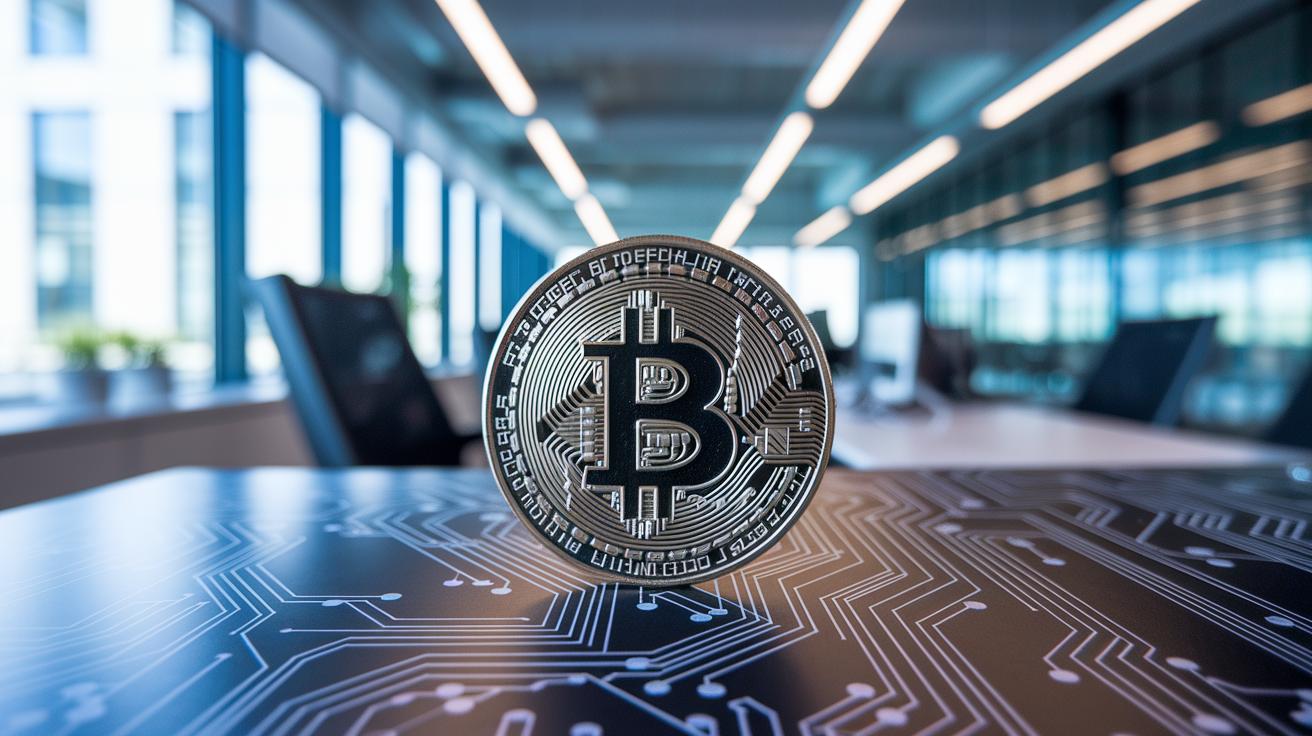
Circle runs USDC using a simple, clear approach that mixes today’s blockchain ideas with time-tested financial methods. They use smart contracts, computer programs that automatically make payments when conditions are met, to make transactions more reliable and easy to follow. This way, Circle builds a bridge between old-school finance and the digital world.
The leadership at Circle believes that stablecoins like USDC can speed up how money moves around. They see a future where quick settlements and lower day-to-day money needs help businesses grow faster. In fact, plans are in place to boost transaction speeds and connect with more blockchain platforms, making USDC something everyone can use more easily.
The USDC team is busy refining how the coin is managed so it stays safe and useful for everyday folks. They keep a close eye on worldwide trends in digital money and are getting ready for USDC to be used in daily transactions and other digital services. With strong planning and growing trust, USDC is on track to be a major force in the digital money market, sparking both new ideas and steady growth.
Final Words
In the action, we examined how circle stablecoin (USDC) explained works, from its fiat backing and blockchain mint-and-burn cycle to its regulated reserve audits and everyday use in financial transactions. Each step, including token issuance and smart contract roles, was broken down in a way that makes complex topics easier to grasp.
The discussion also compared similar assets and highlighted the importance of security and regulation. This clarity makes it easier for everyone to feel confident about their investment decisions and stay on top of market trends.