

Ever wonder if renewable energy stocks might pull a fast one on you? Clean energy companies are grabbing more attention, and bold deals are shaking up how we see risk and reward. Big mergers and quick new policies are hinting that a smart move in this area can be a steadier way to invest, like carefully planting seeds in a garden.
In this post, we take a closer look at the fresh trends in renewable energy stocks. We break it down step-by-step and explain why these stocks might be the smart choice for today’s market. Grab a cup of coffee and join us as we chat about what’s lighting up the future of investing.
Key Emerging Trends Overview in Renewable Energy Stocks
Investors are now turning to renewable energy stocks as they plan for a greener future and seek steadier returns in choppy markets. Companies that make, store, and deliver clean energy are catching the eye. Imagine a twist in the market, much like how Marie Curie once unknowingly carried test tubes of radioactive material before her discoveries changed science, this shows how sudden changes can turn risk into a big opportunity.
The clean energy field is growing fast. In early 2025, a huge deal worth $26.6 billion created the biggest clean-energy provider in the U.S. This move, called consolidation (when companies merge to become stronger), highlights how larger firms can use their size to change the game. Renewable energy is also becoming a smart way to spread out investment risk, especially when oil and gas markets get rocky.
Today’s numbers don’t tell the whole story. Investors know that rising market swings and more company mergers mean things can change quickly. When policies shift and market conditions evolve, renewable energy stocks show a mix of risks and rewards that need to be watched closely. They blend fresh growth ideas with some downside risks, hinting at a future where energy investing could look very different.
New studies and market chatter point to strong potential ahead, and more people are exploring renewables to ride the clean energy wave.
Market Consolidation and Leading Renewable Energy Stocks

At the start of 2025, a huge $26.6 billion deal changed the way U.S. renewables work. Big companies now shine because of this shake-up. NextEra Energy tops the list at $145.82 billion, with GE Vernova close behind at $132.37 billion. Constellation Energy follows at $100.49 billion, and smaller players like Suzlon Energy round out the top 15.
NextEra and Constellation, leaders in North America, have thrived thanks to benefits like domestic content rules from the Inflation Reduction Act. Over in Europe, giants such as Vestas and Ørsted have made the most of strong policies like the Green Deal and REPowerEU. In Asia, companies like LONGi, Sungrow, and China Three Gorges Renewables lead because they focus on making things efficiently and at a big scale.
This trend tells us where the market is heading. Think of it like a skilled craftsperson carefully using their tools to perfect their work. For more details on company rankings and consolidation stats, check out global market insights (https://allbestfinance.com?p=524). These shifts, backed by policy help and solid market data, show a promising and stable future for renewable energy stocks.
Sector Growth Analysis of Solar, Wind, and Storage Stocks
Solar energy is growing fast. Top names like First Solar, LONGi Green Energy, and Sungrow Power Supply are helping drive down costs and boost panel performance. It's a bit like upgrading from slow dial-up to high-speed internet, a change that really shifts the game.
Wind energy is picking up speed too. Companies such as Vestas and GE Vernova are pouring resources into offshore and floating-wind projects. Imagine a strong coastal breeze powering homes along the shore, with every gust carefully measured to get the most out of it.
Hydroelectric power also plays its part. Firms like Brookfield Renewable Partners offer steady energy that balances the ups and downs of other sources. Think of it as a calming, reliable hand that keeps everything in balance when other parts of the renewable mix might be a bit unpredictable.
Energy storage is quickly becoming a key player as well. Companies like Sungrow are using large-scale battery systems to store energy during sunny or windy spells, then release it when those conditions fade. Picture a reservoir that fills up and then supplies water when the stream is low, this system makes sure that energy is there when you need it most.
All in all, the rapid advances in solar, wind, hydro, and storage set a high standard for renewable investments. These improvements show how cost savings, new technology, and reliable energy are coming together to light the way toward a greener future.
Policy Drivers and Regulation Trends Impacting Renewable Energy Stocks

Lately, U.S. policy changes have shaken up the market like never before. Over just three months in 2022, renewable energy stocks dropped 14%, while traditional stocks only slid 5%. This shows that shifts in government subsidies and incentives (money given to support these companies) add extra risks.
World events are now stirring the pot as well. Trade disputes and military tensions are forcing companies to rethink their strategies on the fly. For instance, some firms saw a 12% jump in risk premiums (the extra return investors demand for taking on more risk) when security concerns tightened energy policy.
In response to these uncertainties, companies are changing how they invest. Analysis now indicates that money is moving more quickly in reaction to policy flips and global supply changes. This means that every sudden government decision or international event can quickly shake market confidence.
| Factor | Impact on Stocks |
|---|---|
| U.S. Policy Reversals | Elevated volatility; a 12% rise in risk premium observed |
| Geopolitical Tensions | Increased energy security concerns and capital reallocation |
| Global Supply Adjustments | Altered subsidy effectiveness impacting market confidence |
Emerging Trends in Renewable Energy Stocks: Positive Momentum
There’s been a clear shift in how investors view sustainability. Over the past few years, sustainable index mutual funds and ETFs have doubled in number, and more money is flowing into them. This growing interest shows that renewable energy stocks are stepping out of the shadows. By investing in a diverse mix of these funds, you can help cushion against risks like individual company troubles or supply-chain hiccups while still enjoying the potential upswing in green energy.
For investors who prefer picking stocks directly, the choices are flexible. You can opt for solid, top-cap companies or back the fast-growing newcomers on the market. Consider ETFs like Invesco Solar ETF (TAN) or First Trust Global Wind Energy ETF (FAN) for a taste of different clean energy segments without the pressure of choosing winners one by one. It’s a bit like planting a variety of seeds in your garden, each one has its own chance to flourish while also protecting you from a single lost bet.
Independent research tells us that funds tend to see faster growth when new green-tech breakthroughs happen. When fresh ideas push technology forward, investors jump in quickly. This surge in interest has even sparked lively discussions on whether technical analysis or fundamental analysis (technical analysis means studying charts and patterns; fundamental analysis involves looking at underlying business strength) is the better approach based on your comfort with risk.
• Direct equity investments bring the thrill of potentially high returns.
• Diversified funds help spread out risk, offering a smoother ride.
Overall, these different investment paths give you both stability and a chance to ride the renewable energy wave as it gains momentum.
Technological Innovations Shaping Renewable Energy Stock Performance
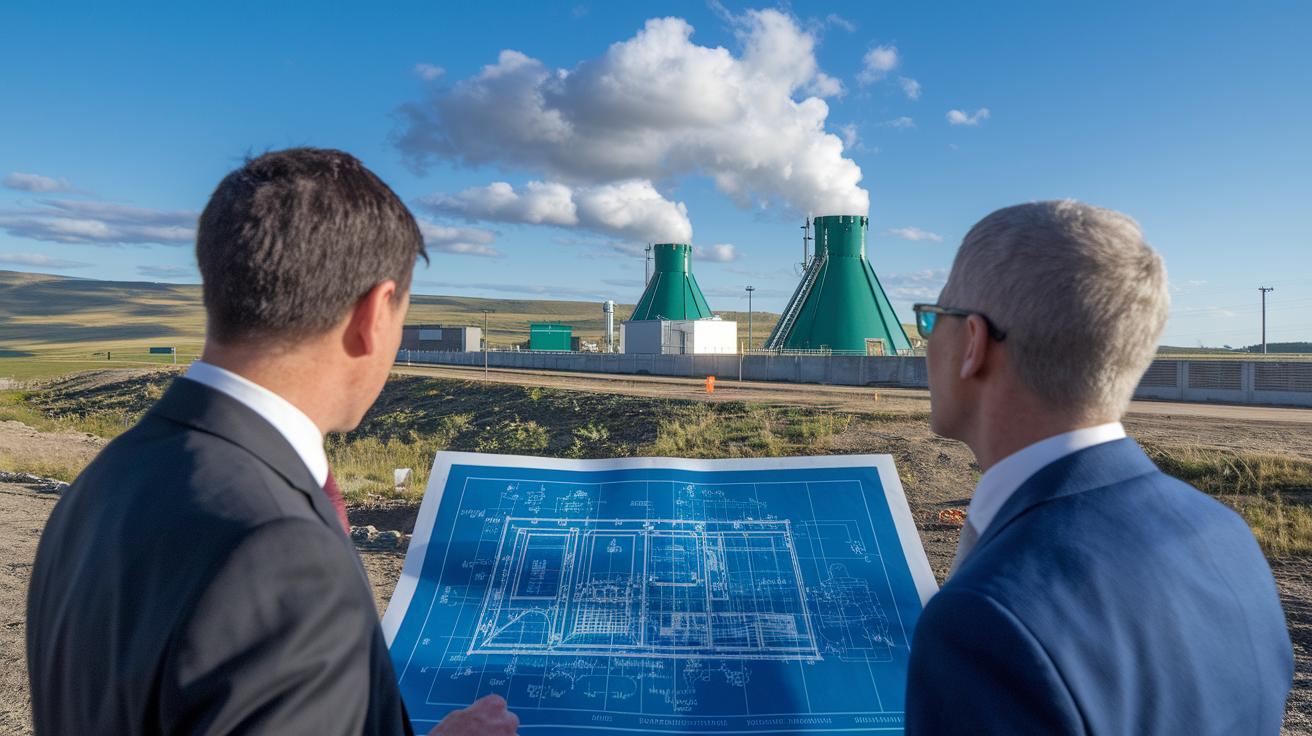
Green hydrogen and cutting-edge geothermal projects are drawing a lot of attention from investors who are excited about breaking free from old fuel habits. It’s a bit like learning to ride a bike, you need balance, patience, and a little bit of courage as you move forward with these fresh ideas.
Innovations in battery storage and smooth grid integration are changing how we handle the ups and downs of energy supply. Companies such as Sungrow are stepping up by installing large battery systems that save excess power during busy production times and release it when nature takes a break. Think of it as stashing away some extra snacks for when you really need them.
Solar companies are also making strides by fine-tuning panel efficiencies to lower energy costs and boost power output. Imagine a light bulb that grows steadily brighter with every small improvement, it’s a steady drive toward energy that’s both affordable and reliable.
At the same time, smart grid and digital microgrid trials are creating better ways for utilities to blend various renewable sources. These tests show how electricity can flow more efficiently through neighborhoods, cutting down on waste and giving overall performance a nice boost. It’s a bit like rearranging furniture to find just the right fit in your living room.
All of these tech breakthroughs work together to build a future where renewable energy stocks can grow stronger and perform even better in a fast-changing market.
Risk Factors and Volatility Considerations for Renewable Energy Stocks
When looking at renewable energy stocks, investors need to keep an eye out for a few challenges. Sometimes, delays occur when supply chains run into problems, which can push project costs higher. And uncertain government policies might change the incentives that companies depend on. Plus, if interest rates rise, borrowing money for these projects can become more expensive, adding an extra twist to the market.
Even with these ups and downs, strong long-term performance can shine through. Take NextEra Energy, for example, it has managed an average annual return of 15.7% over 20 years. That tells you that solid companies can stay strong even when times get rocky. Brookfield Renewable Partners is another case in point, growing its dividend by 6% every year since 2001. That steady dividend growth is like a soft cushion against sudden market shakes.
These risk factors and performance indicators balance out the picture for those building their portfolios with renewable energy stocks. Yes, you might see some turbulence during broader market shifts, but the underlying strength in earnings and reliable dividends can help take the sting out of short-term volatility.
- Supply-chain issues may slow down project timelines.
- Unclear policies could change the flow of incentives.
- Rising interest rates might boost financing costs.
In the end, these risk-adjusted measures remind us that while volatility is part of the game, a well-thought-out strategy can ease the bumps along the way.
Final Words
In the action, we reviewed how renewable energy stocks are reshaping portfolios through detailed market consolidation and diversified strategies. We explored subsector performances in solar, wind, storage, and emerging tech innovations alongside policy shifts that support growth. We also examined how risk factors and volatility influence investment choices. All these insights showcase emerging trends in renewable energy stocks, giving a clear picture of a market driven by innovation and forward-thinking strategies. The outlook is upbeat, promoting financial growth and a greener future.
FAQ
What are the best renewable energy stocks and companies?
The best renewable energy stocks and companies feature leaders like NextEra Energy, GE Vernova, and Constellation Energy. These companies benefit from solid market performance, strong policy support, and growing demand for clean power.
What are some emerging trends in renewable energy?
The emerging trends in renewable energy include improved solar panel efficiency, new wind technologies, and expanding energy storage projects. These changes are driven by policy incentives and recent industry consolidations.
What energy stocks are a strong buy right now?
The energy stocks considered strong buys often include established names with steady growth and supportive policies. Investors look at companies like NextEra Energy and GE Vernova, which provide stability and potential growth in a clean energy portfolio.
What is the US renewable energy target for 2030?
The US renewable energy target for 2030 aims to boost the share of clean energy in the national mix. This goal is supported by national policies designed to increase renewable capacity and reduce reliance on traditional fuels.