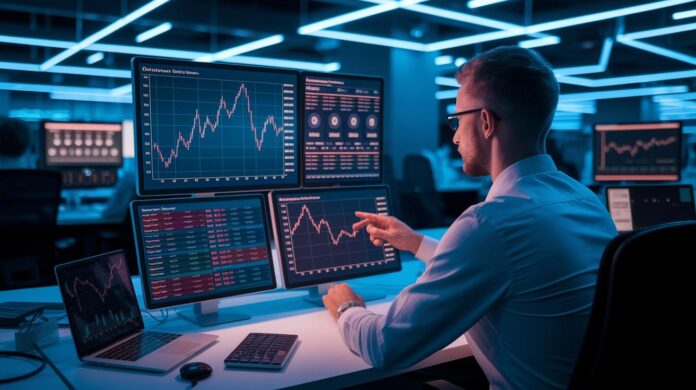
Have you ever thought that computers might outdo human traders? AI trading uses a set of clear rules and fast data checks to pick smart moves in seconds. It works like having a clever helper who spots trends and makes precise trade changes just when needed.
This approach takes the guesswork out of investing. Whether you are new to trading or have been around a while, these automated tools can help you trade more smoothly. Imagine it like watching a gardener tend a vibrant garden, each plant gets exactly what it needs to grow.
By relying on these smart systems, trading becomes faster and more reliable. It’s a bit like switching from a slow, tiring process to a well-oiled routine where every decision is carefully made.
AI Trading Fundamentals: Overview of Automated Strategies and Tools

AI trading is a smart method that uses computer instructions to keep an eye on the market and make trades on its own. It looks at past records, chart trends, and key company details to set up clear rules. For example, a system might say, “Buy after three days of falling prices and sell once you hit a certain target.” This way, you avoid emotional decisions, and trading stays on track.
Modern AI trading offers some neat benefits that both beginners and experienced traders like. Orders get executed in the blink of an eye, often in less than a second, so there’s hardly any delay. Once the system’s rules are in place, it sticks to them without faltering. Instead of relying on guesswork, every decision is informed by a mountain of data and simple statistical checks. Here’s a peek at some key automated strategies:
| Automated Strategy | Description |
|---|---|
| Rule-based algorithmic trading | Follows set rules to trade consistently |
| High-frequency execution | Executes trades in fractions of a second |
| Machine learning trade strategies | Improves trading by learning from data |
| AI-powered signal generation | Uses smart signals that tell you when to buy or sell |
Imagine a trader who sets up an AI system that constantly scans the market for the right signals. When the system spots a mix of reliable technical indicators and strong company fundamentals, it automatically jumps into action. Think of it as a quick-thinking assistant that buys when the market brightens and sells just as things begin to shift, kind of like a pilot smoothly adjusting the flight path when weather suddenly changes. This surge in speed and accuracy really helps traders capture smart, timely wins in a fast-moving market.
AI Trading Platforms: Comparative Review of Leading Software
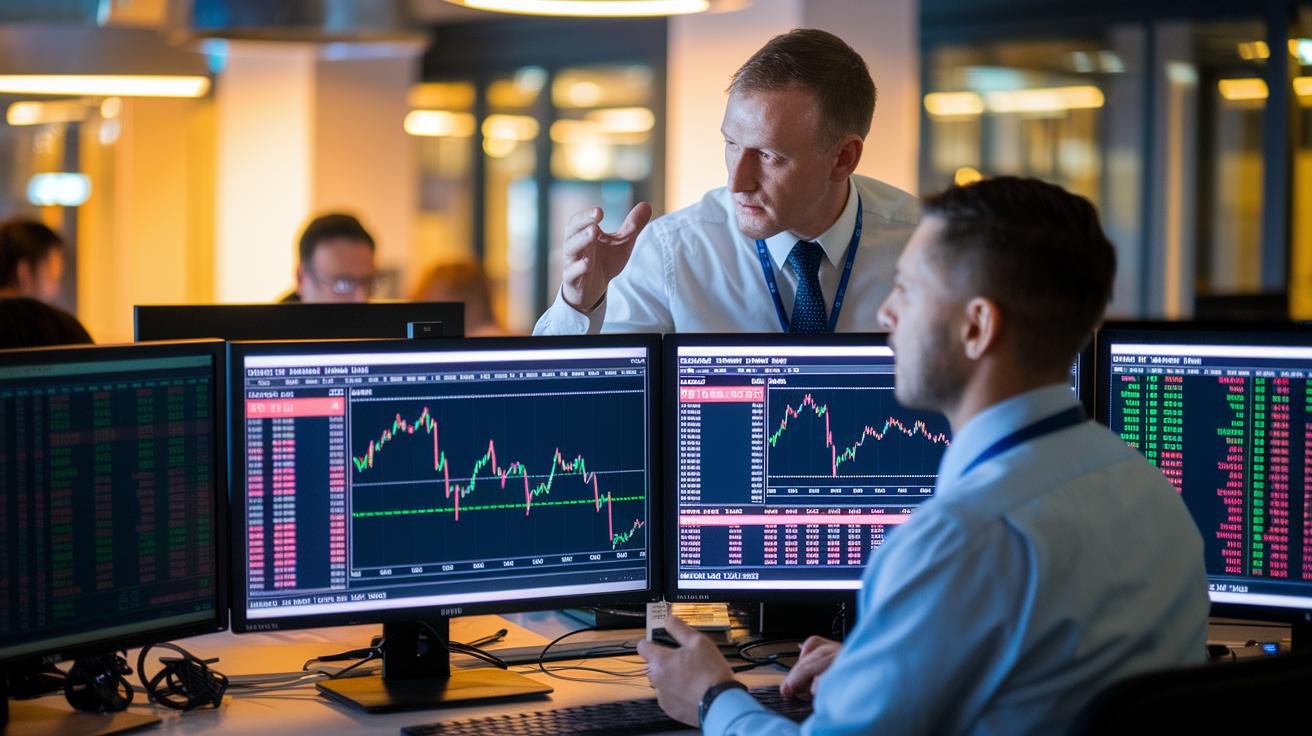
Picking the right AI trading tool can really change the way you manage your trades. With plenty of options to choose from, it makes sense to look at key features and see which tool fits your trading style best. Maybe you're after a system that handles news analysis automatically or one that makes backtesting quick and simple. The right platform can help you secure faster, steadier wins.
Ever wonder if a quick tool comparison might reveal the perfect match for your market approach? Consider this surprising fact: one trader saw a 20% boost in execution speed compared to manual trading after switching to a well-matched platform!
| Platform | Core Features | Ideal User |
|---|---|---|
| TradeEasy AI | Real-time news aggregation, AI-driven sentiment analysis, conversational assistant | News-focused traders seeking quick insights |
| TrendSpider | Automated strategy testing without coding | Technical traders needing fast, error-free setups |
| Trade Ideas | Proven AI engine for intraday trade setups | Day traders relying on data-driven alerts |
| QuantConnect | Scalable infrastructure, algorithmic backtesting models | Coding-savvy experts designing custom algorithms |
| TradingView | World-class charting, extensive market coverage, active community | Discretionary traders focused on visual analytics |
| SignalStack | Automated trade execution without coding | Traders needing swift, real-time order placements |
When choosing a platform, think about ease of use, the reliability of its real-time data, and customization options. Many of these tools offer free trials or demo accounts, which let you test live market integration without any risk. Look for systems that not only offer strong analytical tools but also support the trading strategy you enjoy. User reviews and performance numbers can be really helpful, giving you a clear picture of how each platform performs in different market conditions so you can trade with confidence.
Machine Learning in AI Trading: Predictive Modeling and Signal Generation

We often break machine learning in trading into two parts: supervised and unsupervised. In supervised learning, systems learn from old trade data that’s clearly labeled, like marking price moves as either profitable or not, to predict what might come next. On the other hand, unsupervised learning digs into data without set labels to uncover hidden patterns and unexpected market signals. Think of it as a detective spotting a familiar clue in a mystery.
Key model types include regression, decision trees, and neural networks. Regression models use past trends to guess future prices, similar to predicting next week’s weather by watching recent temperature shifts. Decision trees work like simple flowcharts, walking the system through market questions until it spots a signal. Neural networks, inspired by how our brains work, excel at finding patterns and complex relationships in data. In fact, platforms like TrendSpider and TradingView now use deep learning to spot trend reversals and changes in market volatility quickly.
Machine learning models are always adapting as new data pours in. Every fresh data point helps fine-tune the model’s parameters, sharpening its predictions over time. For example, QuantConnect lets traders develop custom scripts to test and update their models when market conditions change. Similarly, tools like TradeEasy AI use current news to adjust signals in real time. This constant evolution makes the models both resilient and responsive to market shifts, ensuring that their signals stay relevant as new information comes in.
AI Trading Risk Management: Frameworks and Optimization Techniques
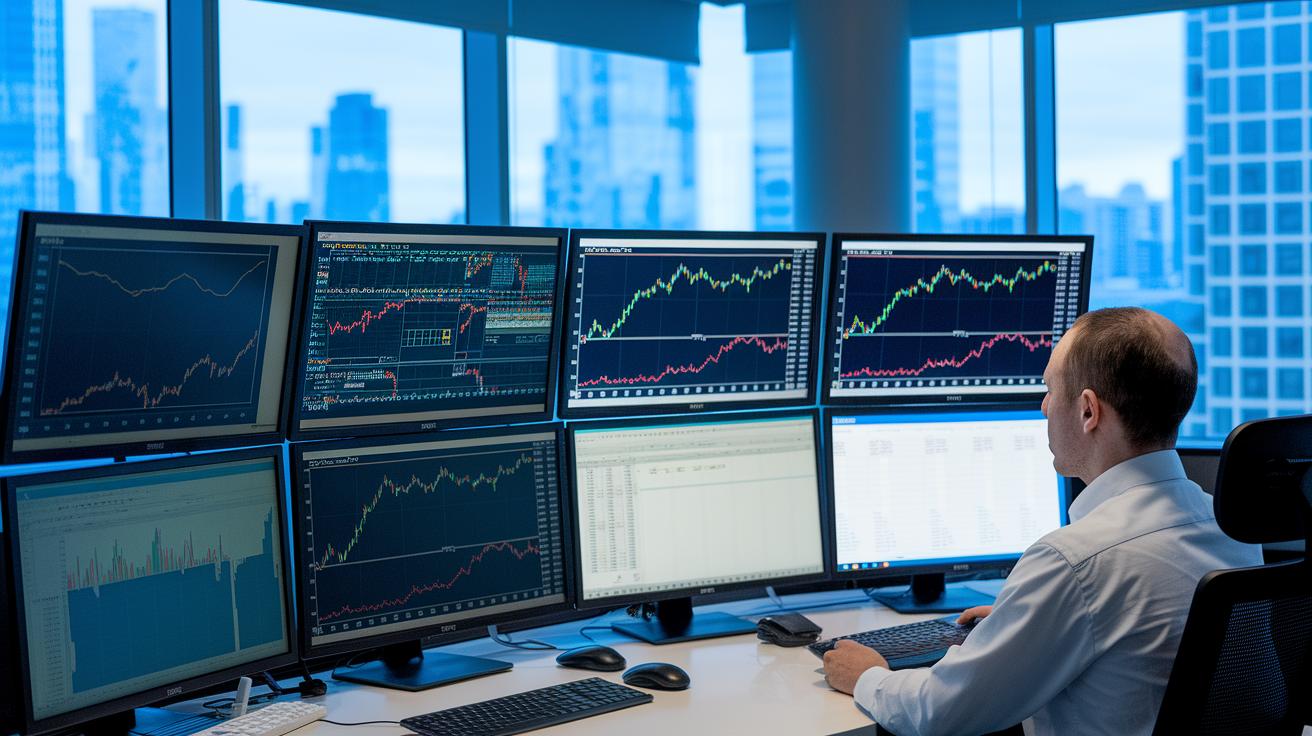
Risk controls are super important in automated trading because they keep your investments safe when market conditions shift fast. Think of them like a protective barrier that stops small losses from growing into big ones. For example, a trading system might tweak its stop-loss settings automatically when a stock starts falling quickly, much like a safety net catching you when things get bumpy.
Another smart idea is careful position sizing. This means figuring out just the right amount to invest in each trade so you don’t put too much in one basket. There’s also automatic rebalancing, which adjusts your portfolio to match your comfort with risk. And some systems even fine-tune exit points on the fly, setting dynamic stop-loss levels as the market changes.
Backtesting is a really neat tool too. It lets you run your trading rules on past market data to see how well your risk controls would have worked. Imagine testing a system that simulates years of trading in just a few moments, it’s like finding weak links in your strategy before they turn into big problems.
Many systems also include regulatory compliance measures. They have built-in controls to make sure automated strategies stick to strict trading rules. This extra layer builds trust, ensuring that both you and the market are playing by the book.
AI Trading Use Cases: Equity HFT and Crypto Signal Case Studies

Case Study: Equity HFT
Imagine an equities fund that uses AI trading to send out thousands of orders every second. They rely on a super-fast system where smart algorithms and powerful servers work side by side. This low-delay setup means market data is processed almost as soon as it appears. For example, if the system sees that risk levels have been reached, it quickly adjusts positions to protect the fund. This swift action helps cut down losses during sudden price drops and speeds up trading overall. Simply put, it lets traders catch tiny market moves while keeping a close eye on their investments.
Case Study: Crypto Signal Optimization
Over in the digital assets world, AI trading platforms are giving crypto trading a boost by using sentiment indicators. In simple terms, these systems scan news and social media to gauge the overall mood around cryptocurrencies like Bitcoin and Ethereum. They then use smart models to filter out noise and pick out the signals that matter. For instance, a burst of positive online buzz might signal it’s a good time to buy, while a drop in sentiment could mean it’s time to sell. Tests have shown that these fine-tuned signals can help traders choose better points for entering or exiting a trade. All in all, these advanced tools let technology quickly adapt to market shifts, helping traders make smart moves in both traditional equities and cryptocurrencies.
Implementing AI Trading: Getting Started with Tools and APIs

If you're just getting into AI trading, the first step is choosing the right platform. Many of these platforms offer demo accounts so you can practice with fake money before risking your own cash. Think of it like training wheels on a bike, you try out different automated strategies using a paper trading setup that mimics real market action. This way, you get a feel for how the market behaves without any real risk.
Next, setting up your trading tool with your broker is pretty simple thanks to API connectivity. An API (application programming interface) is just a way for two systems to talk to each other. Platforms like QuantConnect and TradingView let you connect directly to your brokerage account, so when you place an order, it goes through quickly and smoothly. It’s a bit like linking your phone to Wi-Fi, easy and efficient.
Lastly, modern trading platforms usually come with designs that work well on both mobile and desktop. This means you can watch live market data, get alerts, and adjust trades wherever you are. Imagine having a smart dashboard that keeps you up to date on your portfolio no matter where you are, helping you react fast in a busy market.
Final Words
in the action, this post highlighted how ai trading transforms decision-making with automated strategies and data-driven signals.
We explored rule-based trading, high-speed executions, and machine learning techniques that add precision to market decisions.
Risk management and clear examples from equity and crypto cases show real value in using these tools.
Starting with demo accounts and easy connection to broker APIs can make trying out these methods a smooth process.
Keep this info handy for making smart, confident investment choices.
FAQ
What is the best AI trading platform/app?
The best AI trading platform/app incorporates smart automation, data analysis, and customizable features. Many top platforms offer trial options, intuitive dashboards, and real-time market insights, making them ideal for both experienced traders and newcomers.
What is an AI trading bot and how can I get one?
The AI trading bot is a program that executes trades automatically based on set rules. It can be obtained by signing up for platforms that offer prebuilt bots or by accessing developer tools to build custom solutions.
How can beginners start with AI trading?
AI trading for beginners involves selecting a platform with demo accounts and user-friendly interfaces. Learning through paper trading and exploring automated strategies helps develop skills without risking real money.
Are there any free AI trading tools available?
Free AI trading tools give users access to basic automated strategies and real-time data. Many platforms offer trial versions or limited features so users can test AI-driven trading without any initial cost.
Does AI trading work and is it profitable?
AI trading works by applying automated rules and data-driven signals to execute trades. Its profitability hinges on the chosen strategy, market conditions, and effective risk management; thorough testing is key.
What topics are covered in an AI trading course?
An AI trading course covers the basics of automated trading, including key concepts, risk management, signal generation, and practical platform usage, providing a solid foundation for understanding AI in trading.
What does an AI trading analyzer do?
An AI trading analyzer uses algorithms to interpret market data and generate signals by evaluating trends and performance indicators, helping traders make informed decisions quickly.